Visiting Japan, for some obscure reason, was not really on my bucket list. When my parents needed a mid-year break and didn’t want to travel without their children, my sister and I were mustered in their plan. We researched on the best countries to visit in the month of July and ended up zeroing in on the Land of the Rising Sun.
Being lacto-ovo-vegetarians, the title of this post was our mantra for survival in Japan. My Mother’s cousin, who lived in Japan for a few years, taught us these four words so that we could easily find (our kind of) veg food during our stay in Nippon. Since we belonged to this weird category of people who didn’t want to compromise on milk products or eggs but loved calling ourselves vegetarians, we told the Japanese “niku nashi, sakana nashi”, which translates to “no meat, no fish”. While saying this, we crossed our arms to make sure that they understood what we meant.
With inputs from my Dad’s friend who travels to Japan very often on business and otherwise, Pinterest, Lonely Planet, and the Japan Guide, we shortlisted the places we wanted to visit in Japan, plotted them on a customized map on Google Maps, and prepared this detailed itinerary—The Nippon Expedition’17. We couldn’t do complete justice to the itinerary because communication, hunting for veg food, and getting around in the country were a little more difficult than what we had expected. So we played it safe by dropping our day trips to exotic places like Kiso Valley and Izu Peninsula, and making alternate plans to visit other interesting places within the city limits of Tokyo, Osaka, Kyoto, and Nagoya.
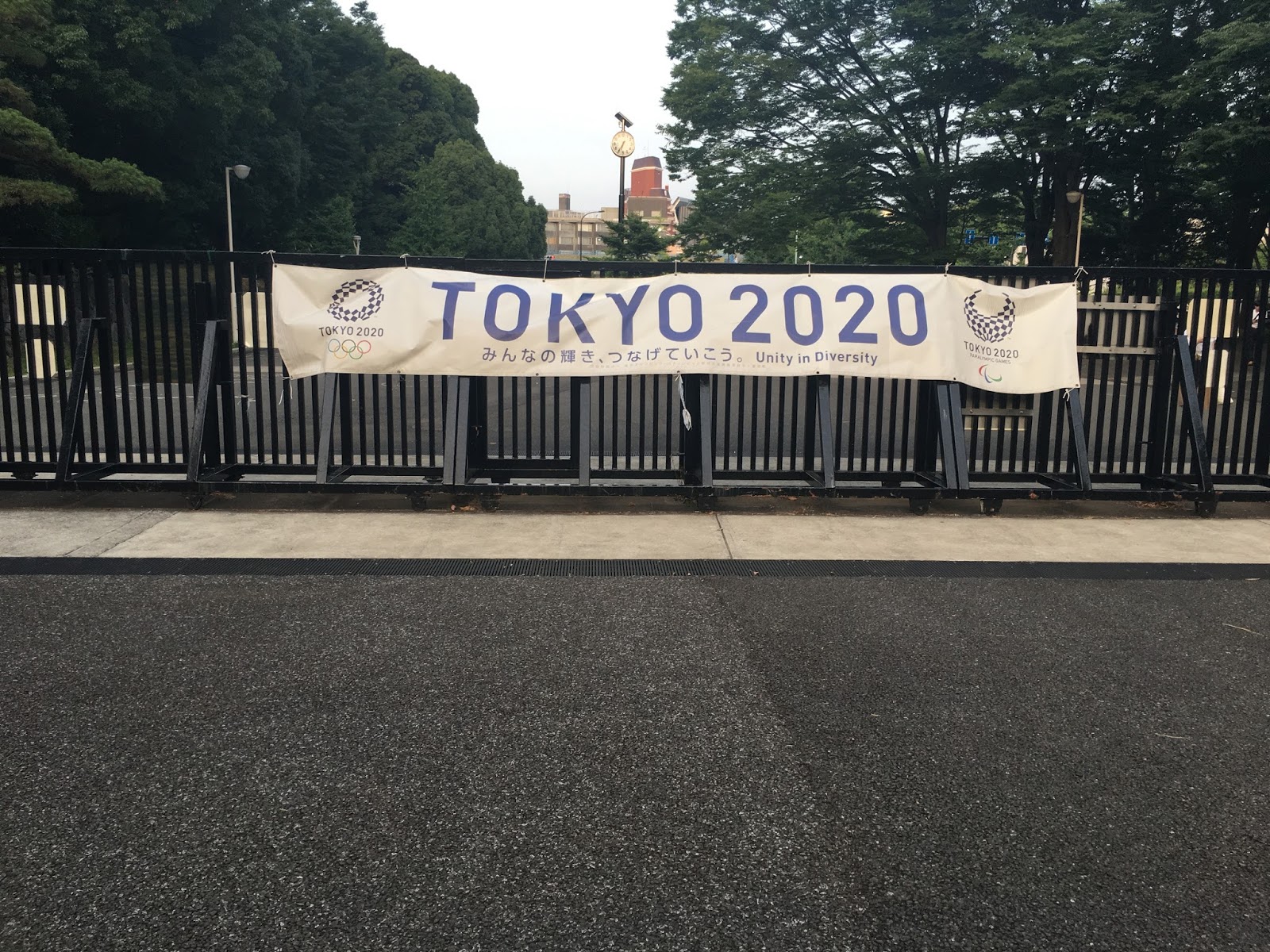
Thanks to the upcoming Summer Olympics, the public transport facilities in Tokyo now have English on all the boards and signs. My Mother and I tried learning Japanese on Duolingo, right from the day the app launched its Japanese course. But it was getting tougher day by day and we failed miserably. We could barely read a couple of letters in the names of, say, one metro station out of ten. I considered it an achievement when I could read all the letters of the word “Shinjuku”. Apart from that, we walked around with a list of commonly needed Japanese words and also learnt a few basic ones by heart. Within a couple of days, my sister picked up the right tone to say “Arigatou Gozaimasu” (which translates to “thank you very much”) politely, pretty much like the Japanese sales people. The rest was in the hands of Google Translate, which we had no choice but to trust blindly.
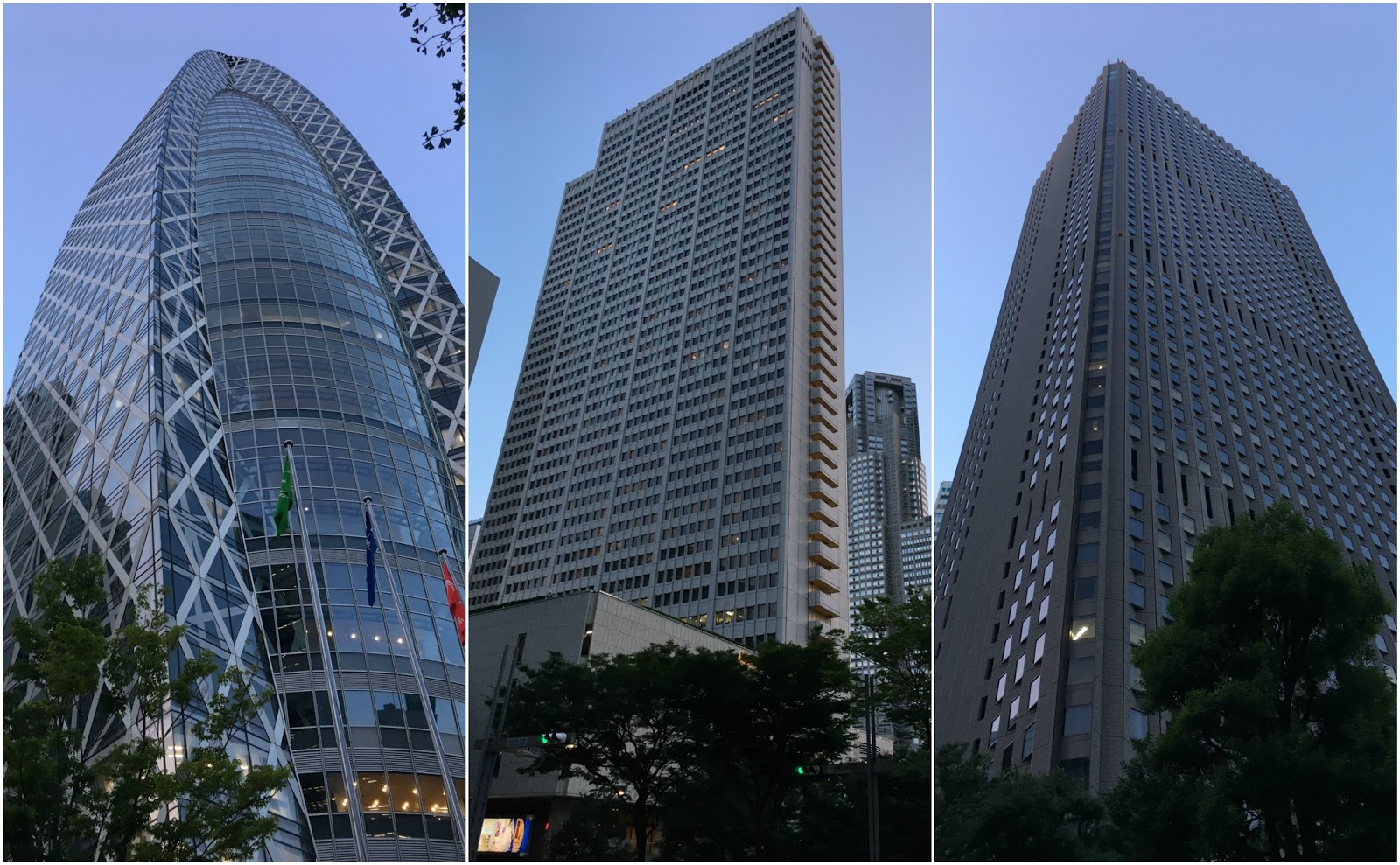
Nonetheless, I absolutely loved Tokyo, the most populous city in the world! The city enchanted me with its cordial people, magnificent skyscrapers, packed yet fun railway stations, humble cab drivers, pretty restaurants, and the insignificant earthquakes that we didn’t feel.
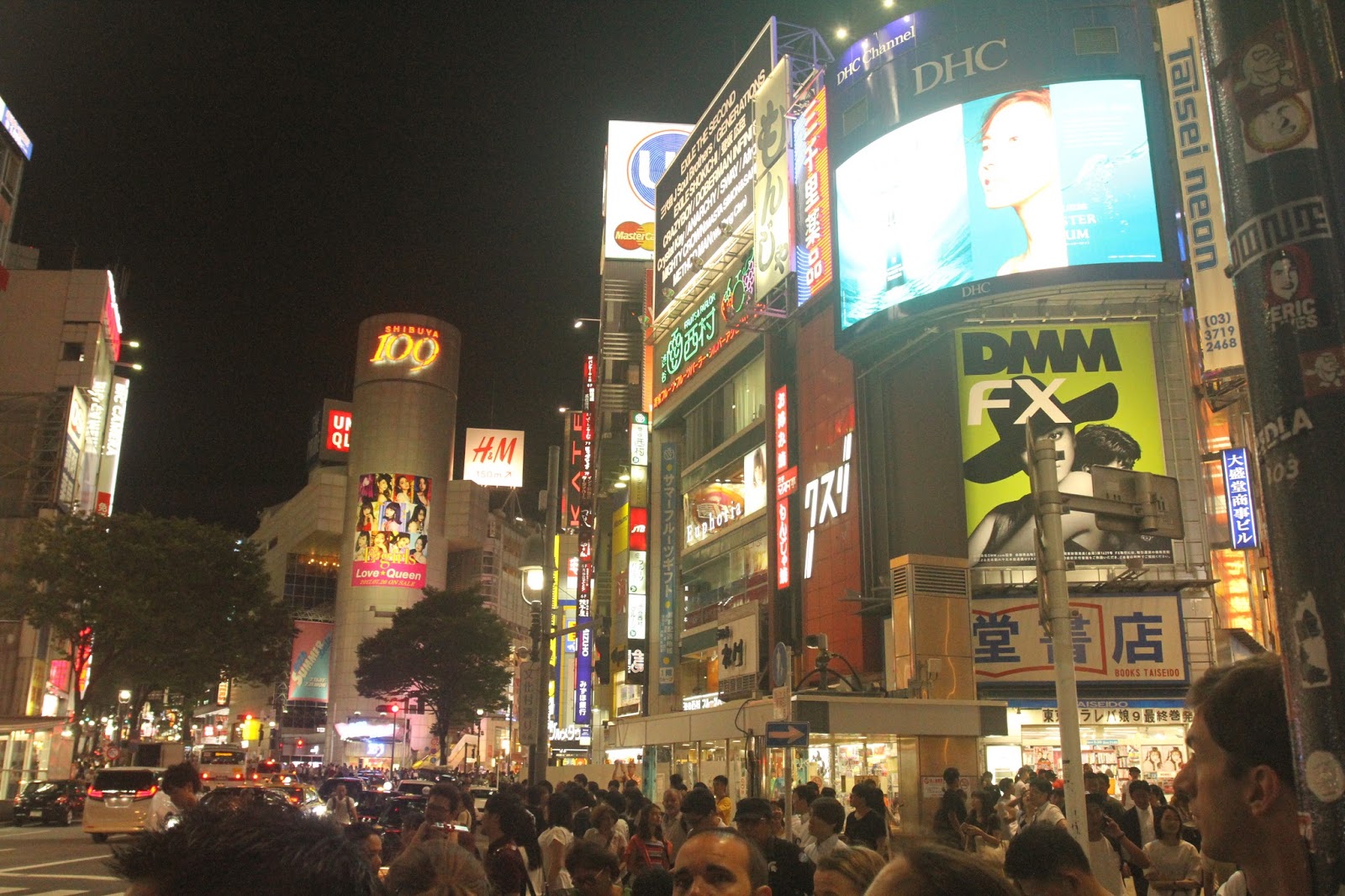
Shibuya Crossing was our first experience of Tokyo; it is the most crowded pedestrian crossing in the world. We read bizarre statistics about it online, like some 2,500 people cross it every time the lights go red. That’s a little difficult to believe. But hundreds of people did cross in every 10-20 seconds the lights went red. We crossed this scramble intersection multiple times, to take pictures, videos, and just for the exciting experience. Coming from an extremely populated country ourselves, we were amazed at how such a lot of people crossed at the same time, in either directions, without brushing against each other. Despite the mad frequency at which the lights went red, the vehicle traffic was, surprisingly, not disturbed at all.
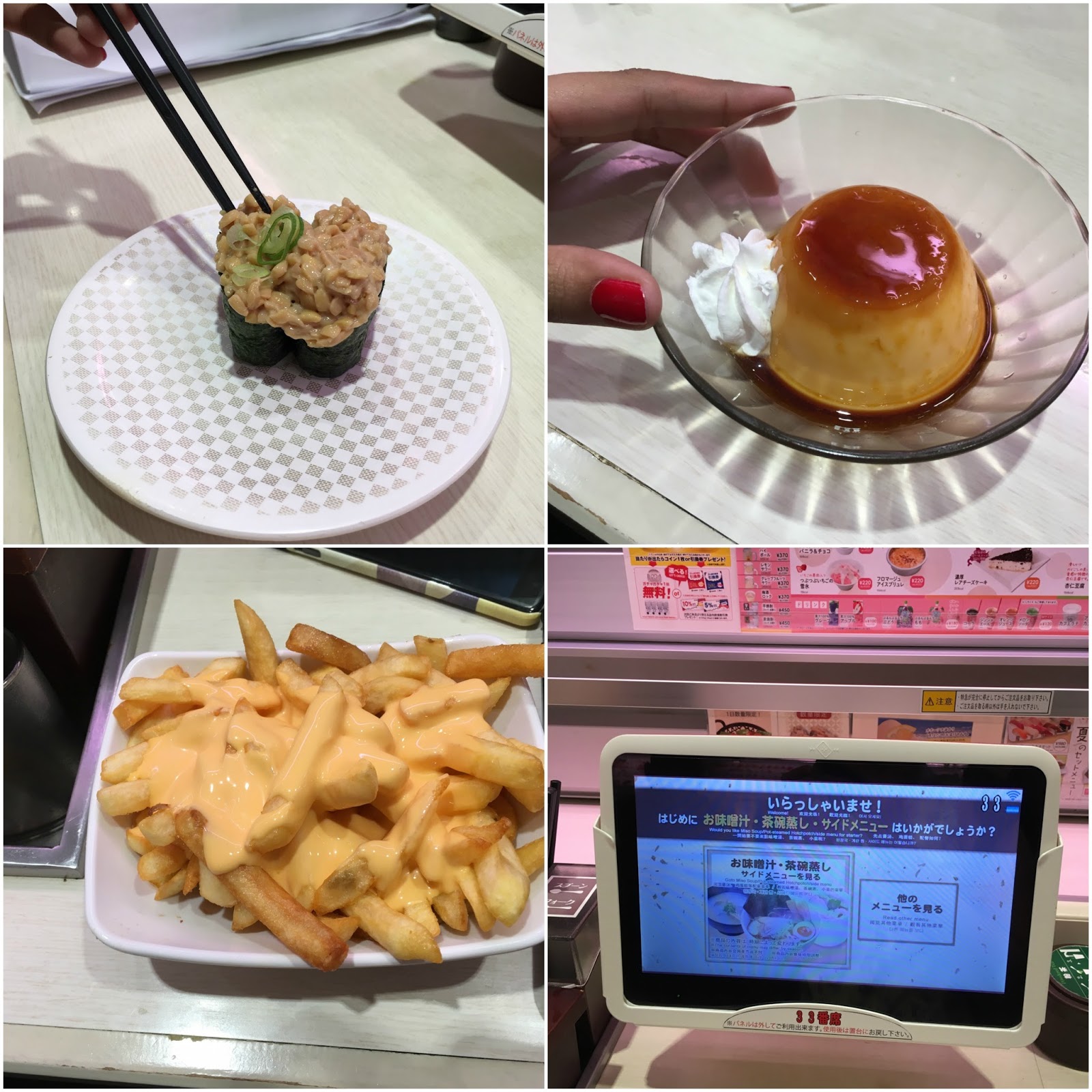
We had our first Japanese dinner at Uobei’s Shibuya Dozenzaka Store. I don’t think I will forget this experience ever in my lifetime. We ordered our food on individual touchscreens in front of us and the food came to us on a conveyor belt! Here is a video that we took: Happiness coming on conveyor belt. We couldn’t contain our excitement. We didn’t quite relish soya bean sushi (the only veg sushi available), but we ordered starters and desserts over and over again. All of us got the knack of eating French fries using chopsticks. My Mom, very impressively, served with chopsticks. Dad and I tried Saké, a Japanese rice wine. This dinner was one hell of an experience!
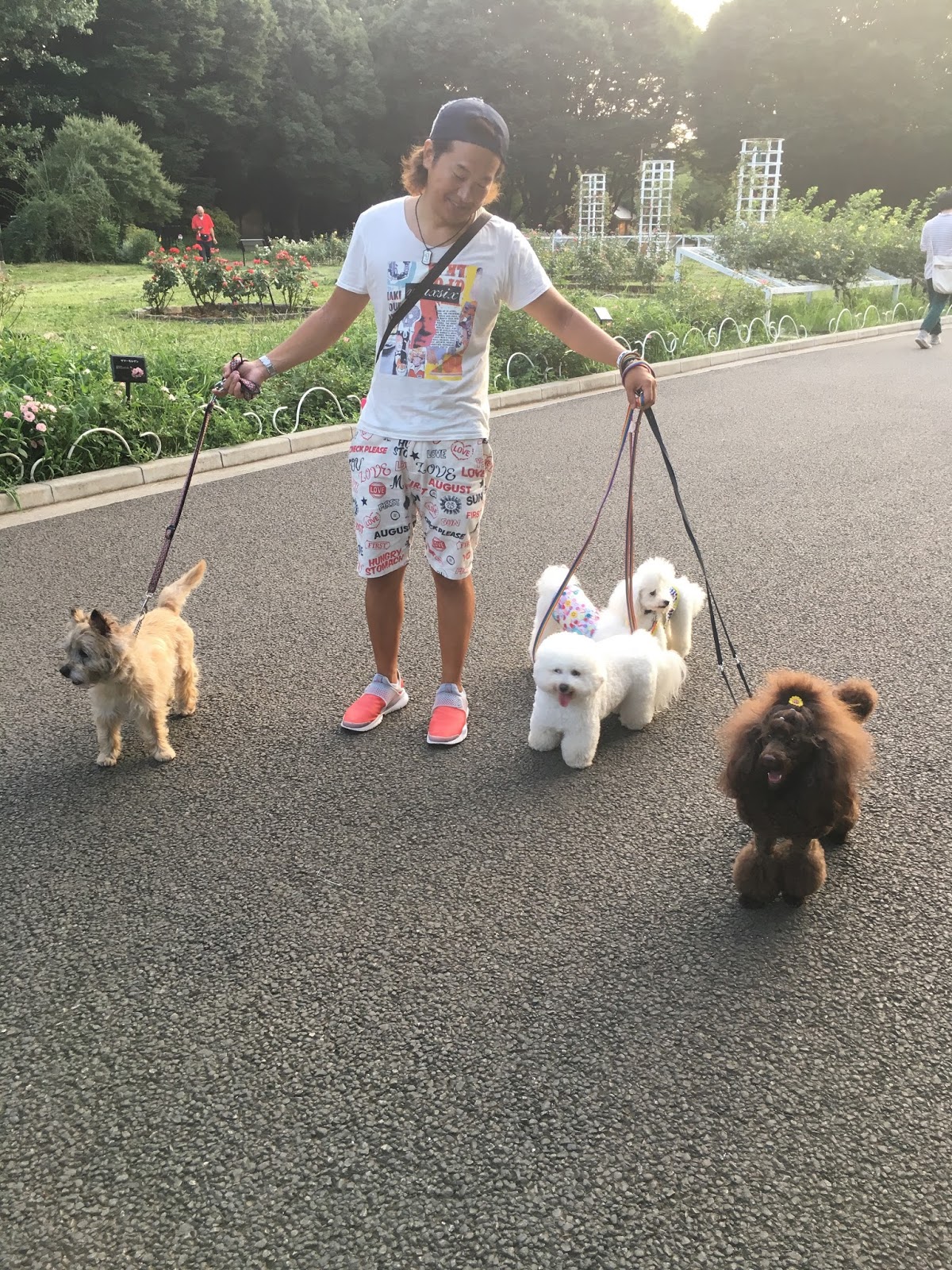
Yoyogi Park was a huge public park where the locals spoke as loud as we Indians generally do. I understand that the Japanese are extremely hardworking folks, but it was a little annoying to see all of them fiddling with their phones all the time. The pet dogs that we came across, in this beautiful park, were all tiny and quiet.
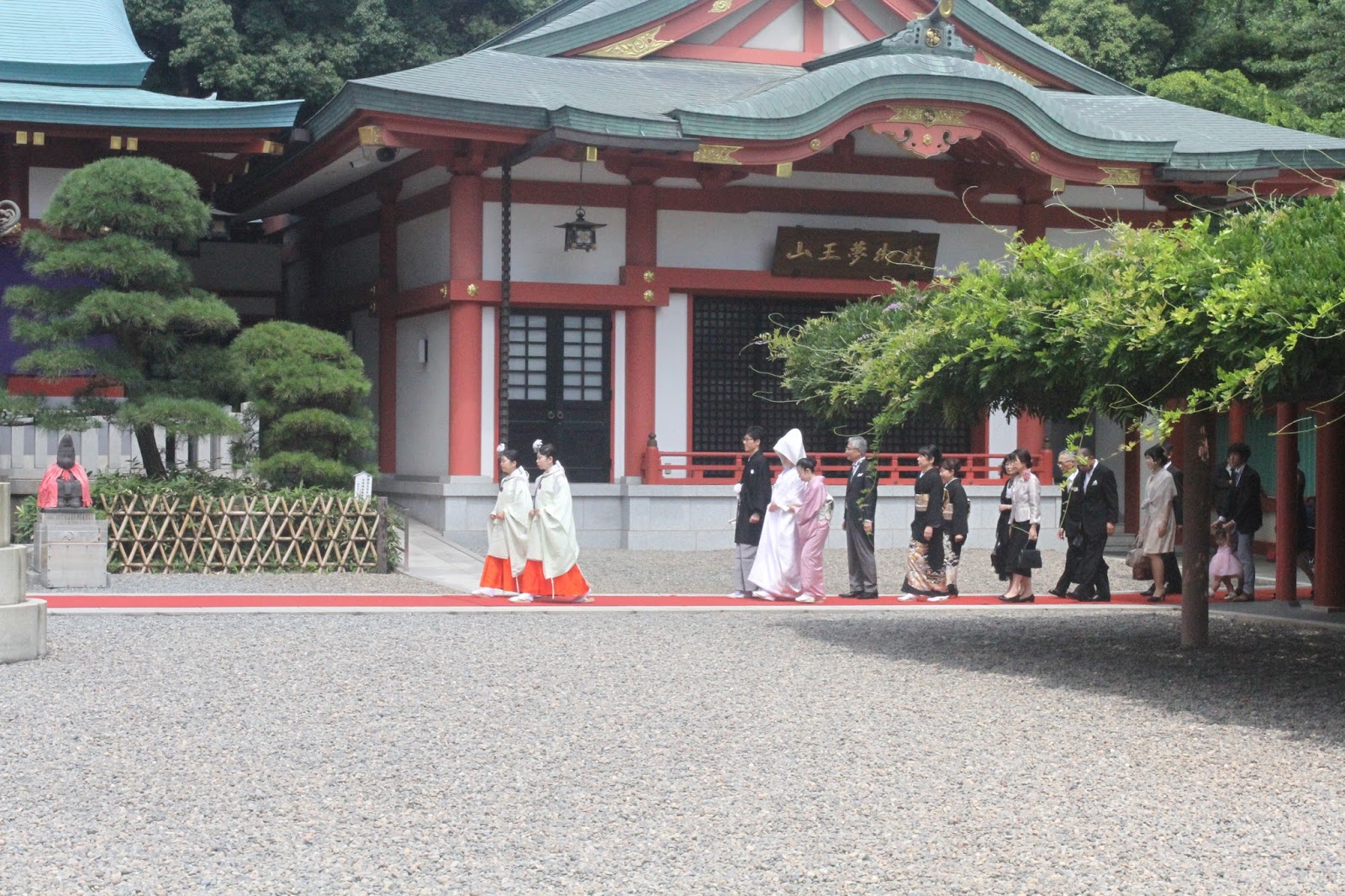
Hie Shrine, considered Japan’s most urban shrine, was the first of the many temples that we visited in the country. This shrine was on top of a hill and it was the first time in my life that I took an escalator to a temple. We got the opportunity to watch an exquisite Japanese wedding at this shrine. I bought my Japanese Shrine Stamp Book from this charming shrine. I got the date of our visit and the name of the shrine written (in Japanese) on the first page of my pretty book. This was my favourite souvenir from Japan!
A Subway outlet that we went to in Tokyo had more vegetarian options than what their outlets in London had. We were relieved, and we happily ate to our hearts’ content. We didn’t miss the Veggie Delite and Paneer Tikka.
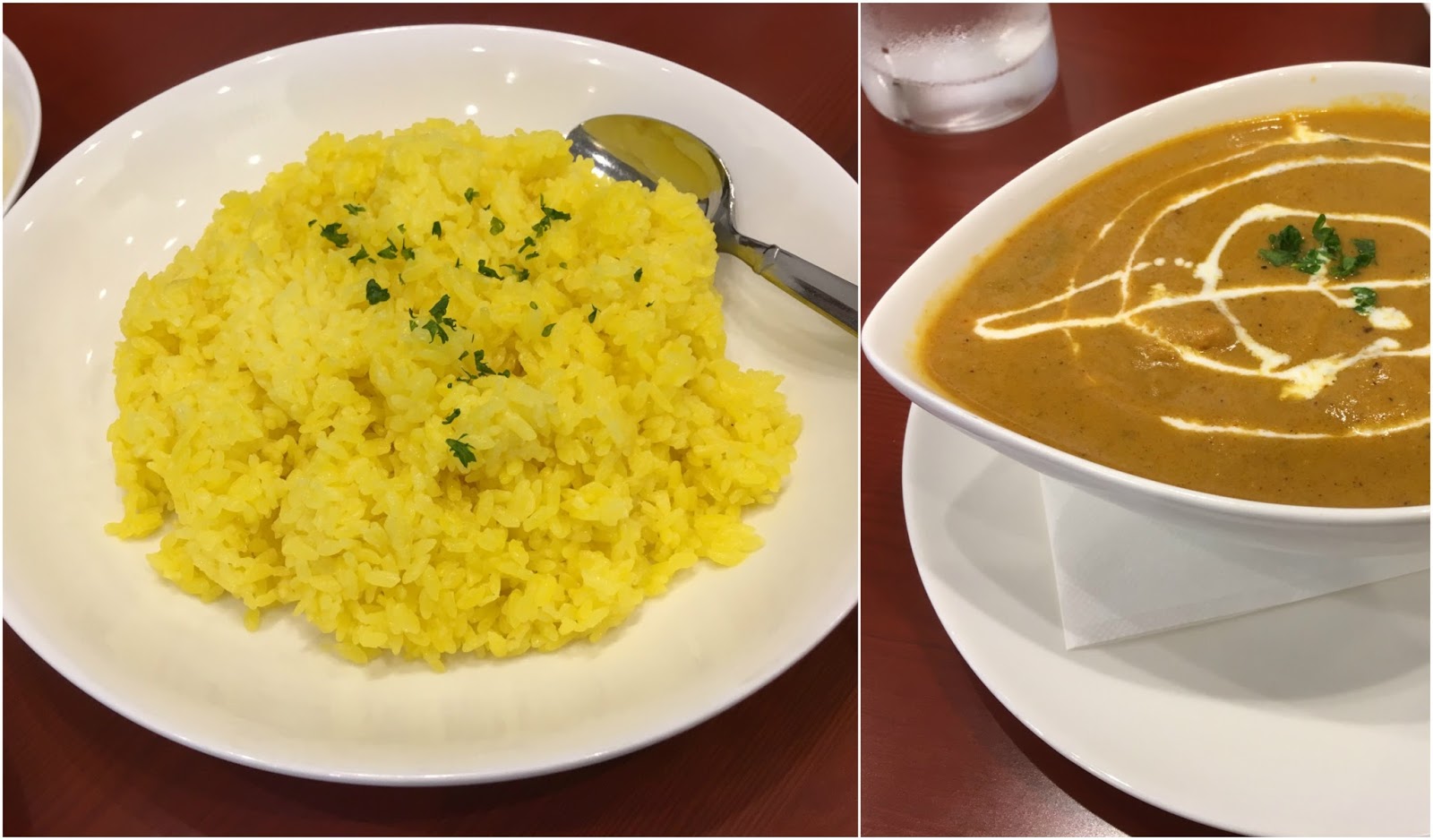
We had our first Indian meal in Japan at a restaurant called Ganapati. All the Indian restaurants that we dined in Japan were run by Nepalese. At Ganapati, we ordered butter rice and Indian veg curry. The curry was based in coconut milk. I thoroughly enjoyed the meal, helping myself with chopsticks.
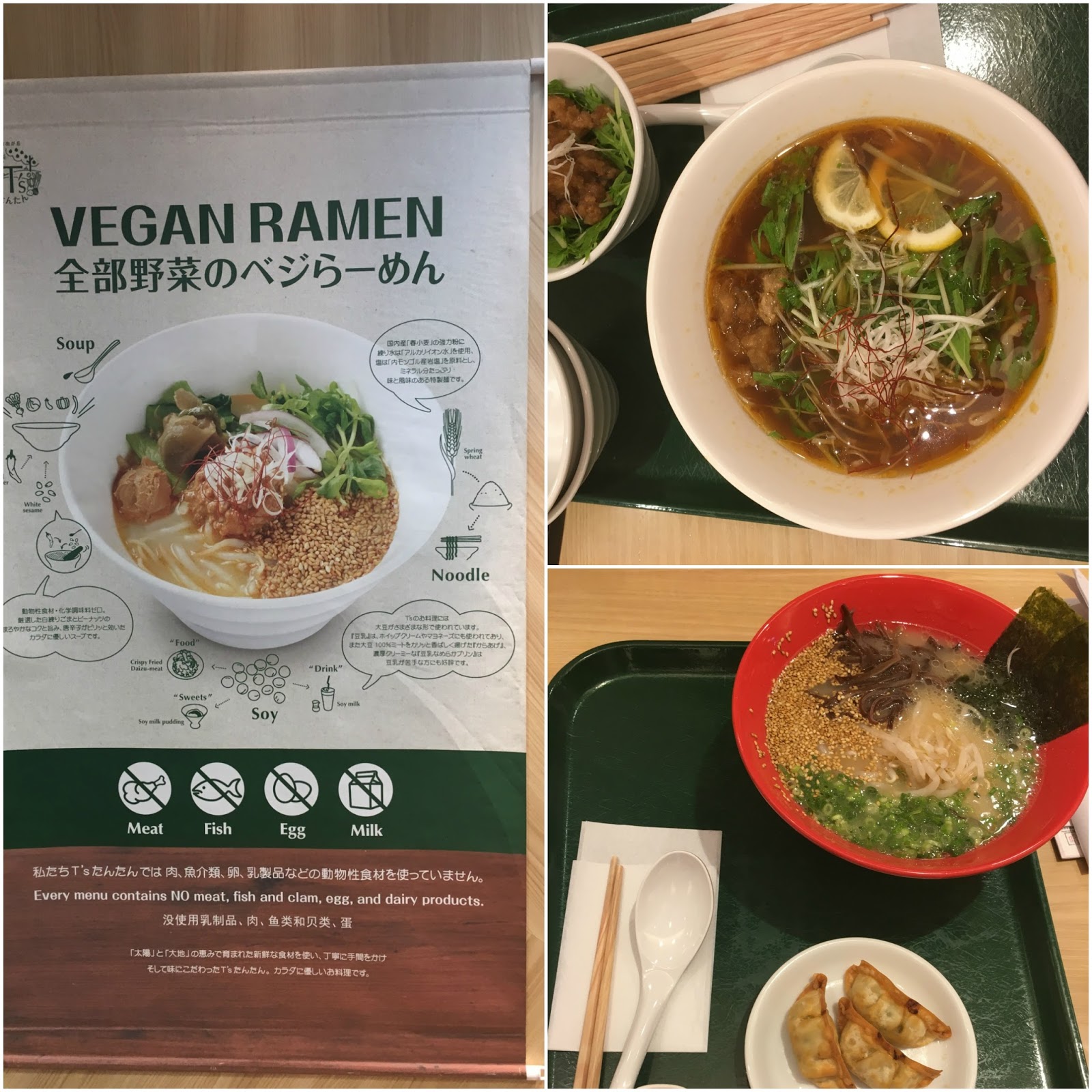
We were so looking forward to eating at T’s Tan Tan, a vegan ramen restaurant. We had read several interesting reviews about this place, while researching veg food in Tokyo. We’re not big fans of vegan food; but beggars can’t be choosers. Anyhow, vegan ramen was totally yum! We loved the food and the ambiance. The only slight put off was the seaweed garnishing that smelled like fish.
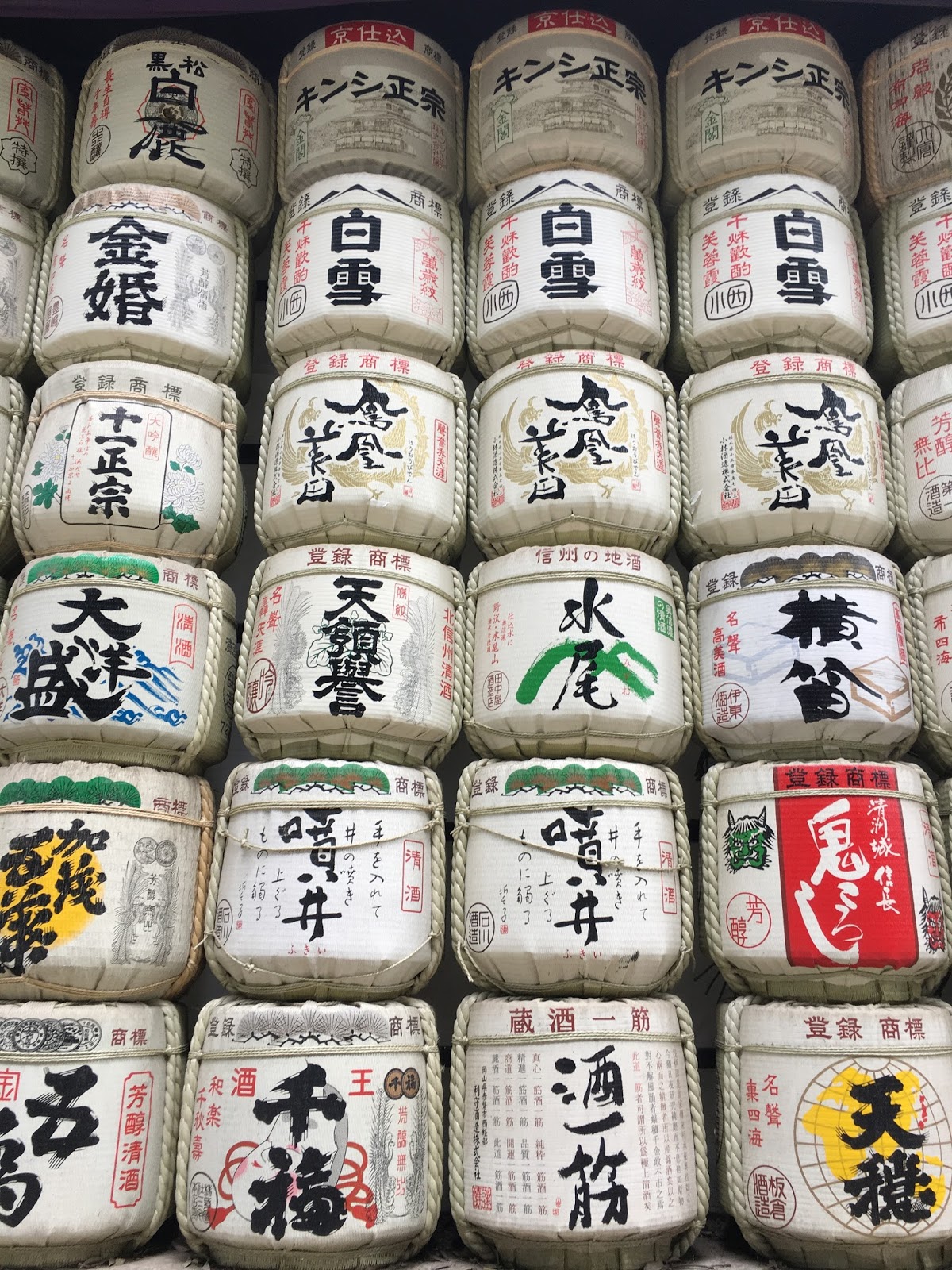
At Meiji Jingu, they, interestingly, displayed barrels of saké wrapped in straw. We were lucky enough to witness yet another Japanese wedding, at this shrine. And I got one more temple seal in my book. Woo hoo!
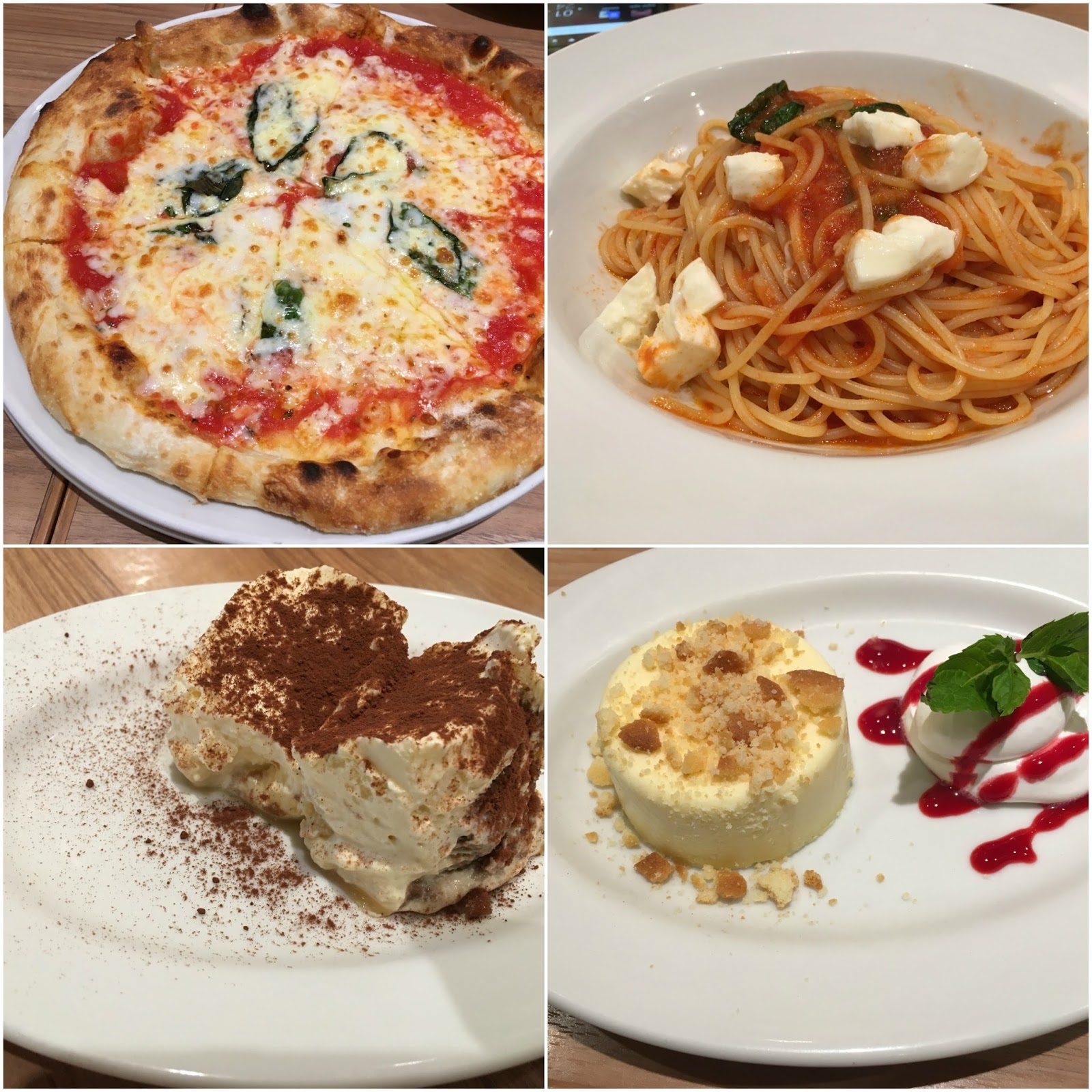
We did crazy shopping at Daiso in Harajuku Street, for our family and friends back in India. Although all the products sold at this massive 100-Yen shop were made in China, they were apparently specifically manufactured for Daiso, in good quality, according to the Japanese standards. We had a good, happy meal at a lovely Italian restaurant on Harajuku Street.
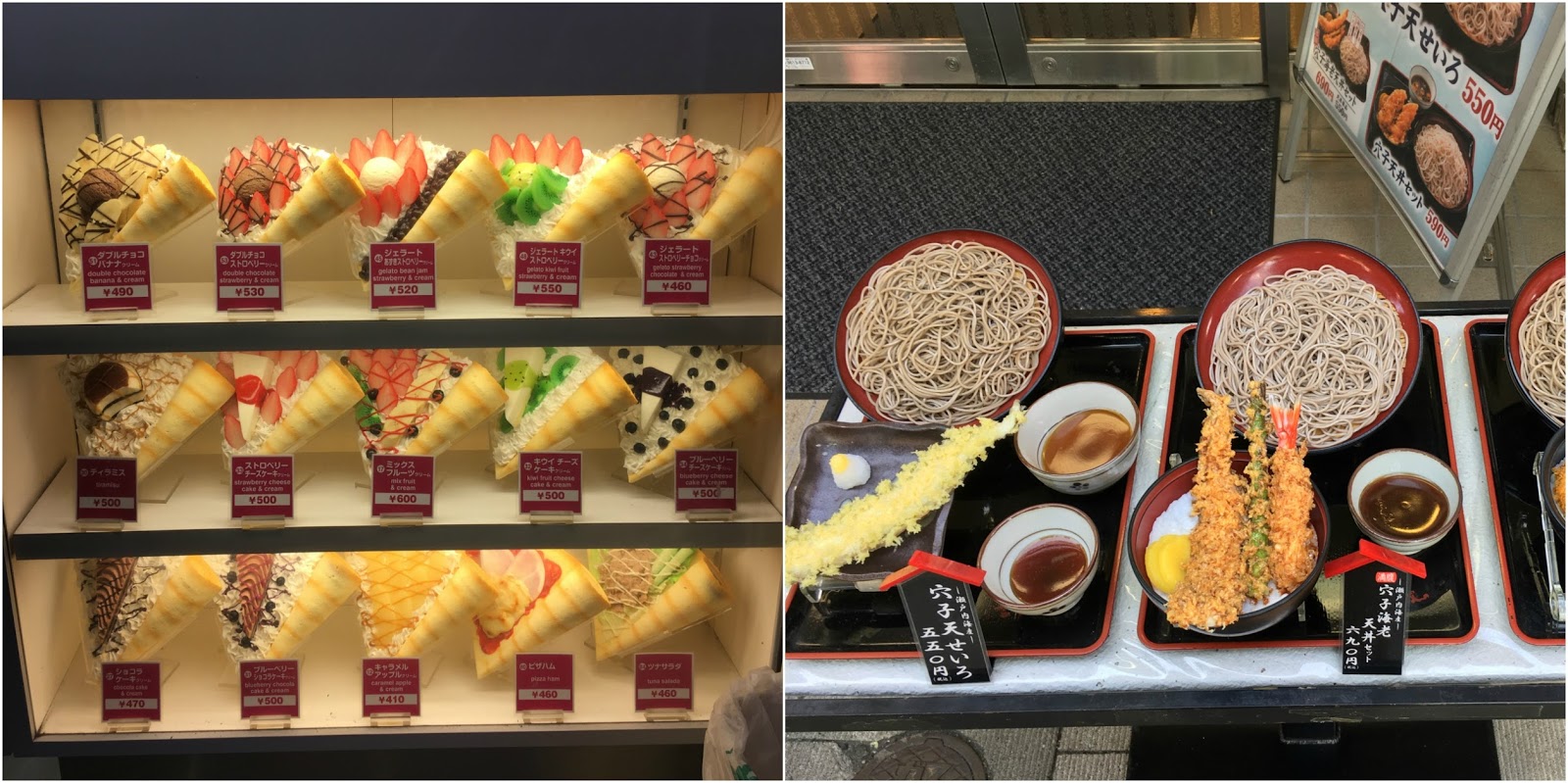
We were in awe of the model foods that were displayed outside most of the restaurants in Japan. They are fine-crafted plastic replicas of the actual food, almost always in glass shelves.
We indulged ourselves in some mad electronics shopping at Akihabara, nicknamed the electric town of Tokyo. This part of the city is truly a heaven to Anime lovers, hard-core gamers, and tech enthusiasts! The Japanese electronic chain stores like Laox and Bic Camera (and its subsidiary Sofmap) had unbelievably huge buildings on the same street. For those who are familiar with the city of Chennai, this was the Pondy Bazaar of consumer electronics! Sony PS4 Pro (1TB) gaming console was about Rs.15,000 cheaper than what was available on Amazon India. We came across low-end Casio and Seiko watch models and thousands of other interesting electronic goods that were not found in the Indian market. We also bought cute souvenirs from small street shops in Akihabara.
On a late evening, we went for a dolphin show at Shinagawa Aquarium. It was jaw-dropping! We sat in one of the front rows, wearing raincoats. My parents burst my bubble a little by exclaiming that the dolphin show that they have watched in Singapore Zoo was even better.
In the refined city of Tokyo, we stayed in a lovely 3-storied Airbnb accommodation near Tokyo Opera City in Shinjuku. Shinjuku station is the busiest railway station in the world! A friendly and pleasant couple, from our hometown back in Kerala, invited us for dinner to their flat in Shinjuku. After all the Japanese food that we hogged for days together, we were delighted to eat simple, home-cooked Indian food. We couldn’t thank them enough for the rejuvenating meal. Also, the couple gave us astounding facts about Japan, the people, the work-culture, the religion, and much more. The Japanese, who appear simple and polite on the outside, are not apparently the friendliest ones to work with. They take politeness and decorum to an uncomfortably high level and they don’t generally have a good work-life balance. They normally retire from the company they first join. A large majority of the Japanese women don’t work post marriage. The earning husbands, apparently, have to give their whole salary to their wives in return for some pocket money, and of course, home food. Ha-ha how I wish my husband worked in Japan! In a Japanese wedding ceremony, the groom’s boss (at work) plays a very important role, probably more than his parents. The Japanese have a westernized attitude when it comes to kids not staying with parents after they turn 18. The youngest generation in Japan is now taught basic English in school. As part of Buddhism, the Japanese worship Hanuman (as a white flying monkey God) and Saraswati (in the name of Benzaiten) who came from India through China. This well-read and enterprising couple, who have been living in Japan for about 5 years, gave us many such interesting pieces of information about the country. They love Japan for its safety, culture, and the comfort of living.
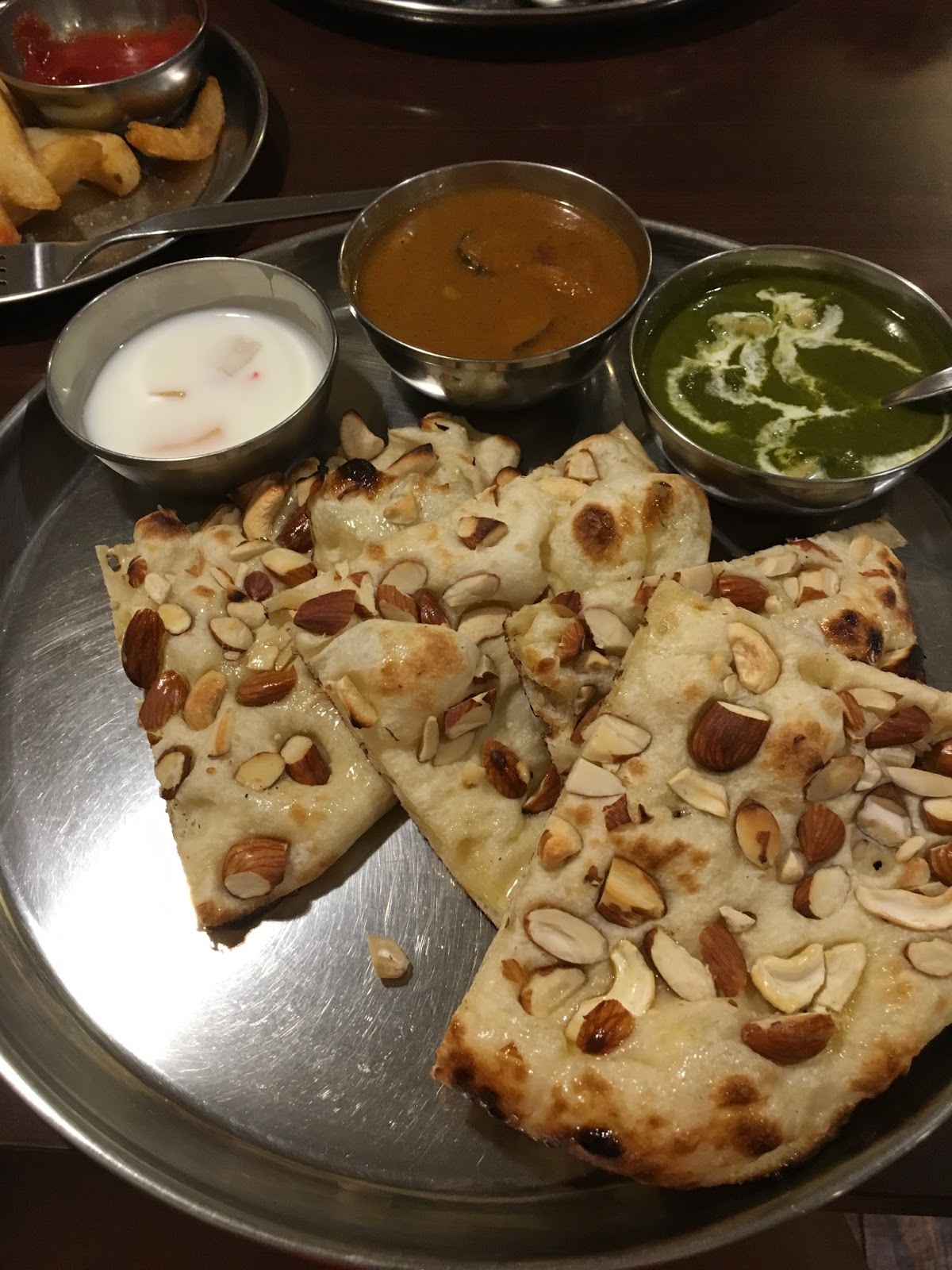
On one of the greedy nights, we dined at an Indian “curry” restaurant in Shinjuku, also run by Nepalese. They went overboard with the fillings and garnishing of the naans, and the curries were just average. Many Japanese guys were seen sitting all by themselves in tables close to ours, thoroughly enjoying their naans and curry. I even noticed a guy getting a repeat order for the cheese naan.
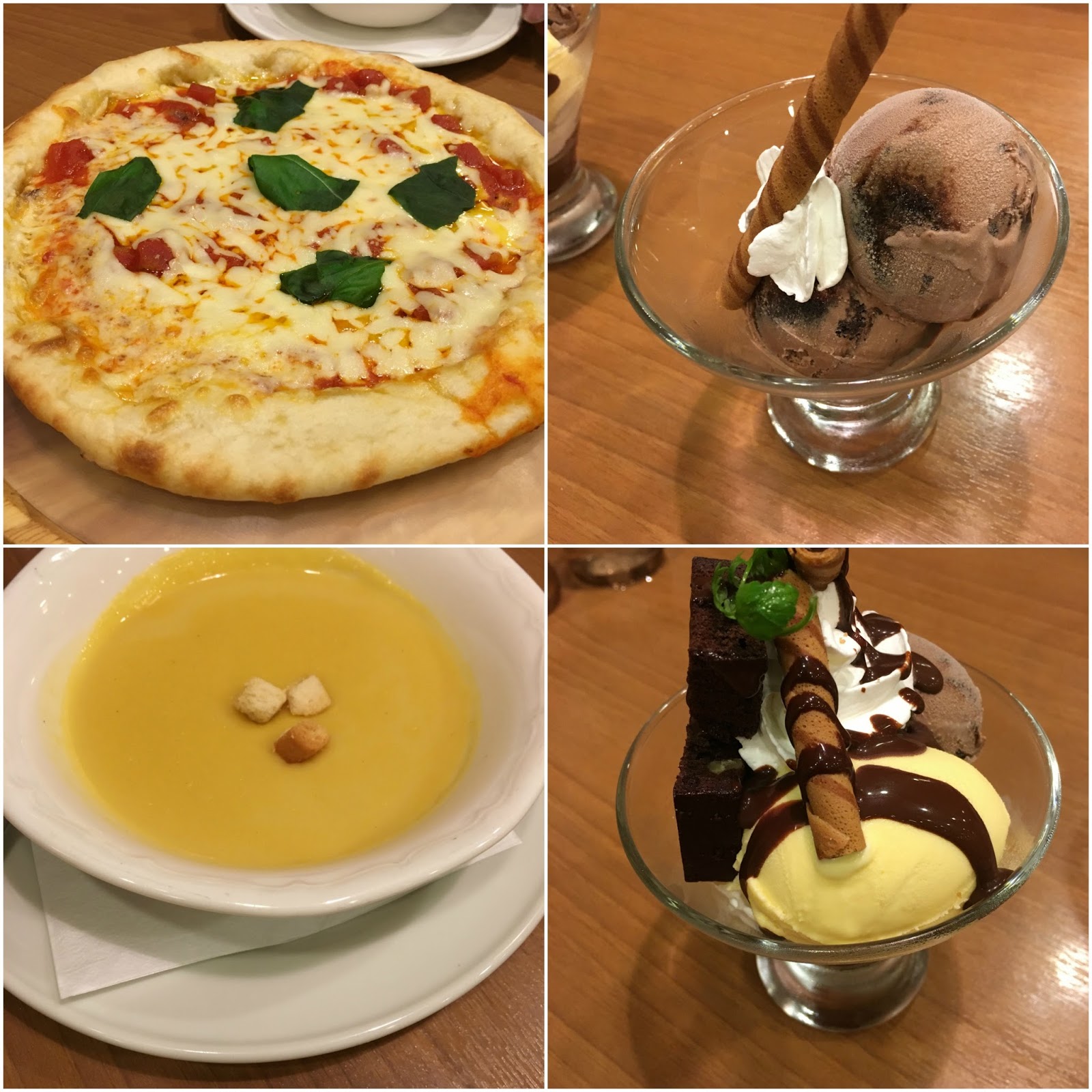
The night before we bid goodbye to Tokyo, we had comfort Italian food at this fun restaurant called Coco’s. We took a little while to place our order, using sign language. The waitress was extremely apologetic about the fact that the Vegetable Curry on the menu had chicken stock and the Vegetable Pasta had beef. So we ended up having safe options such as corn soup, Margherita pizza, and desserts, which were more than gratifying!
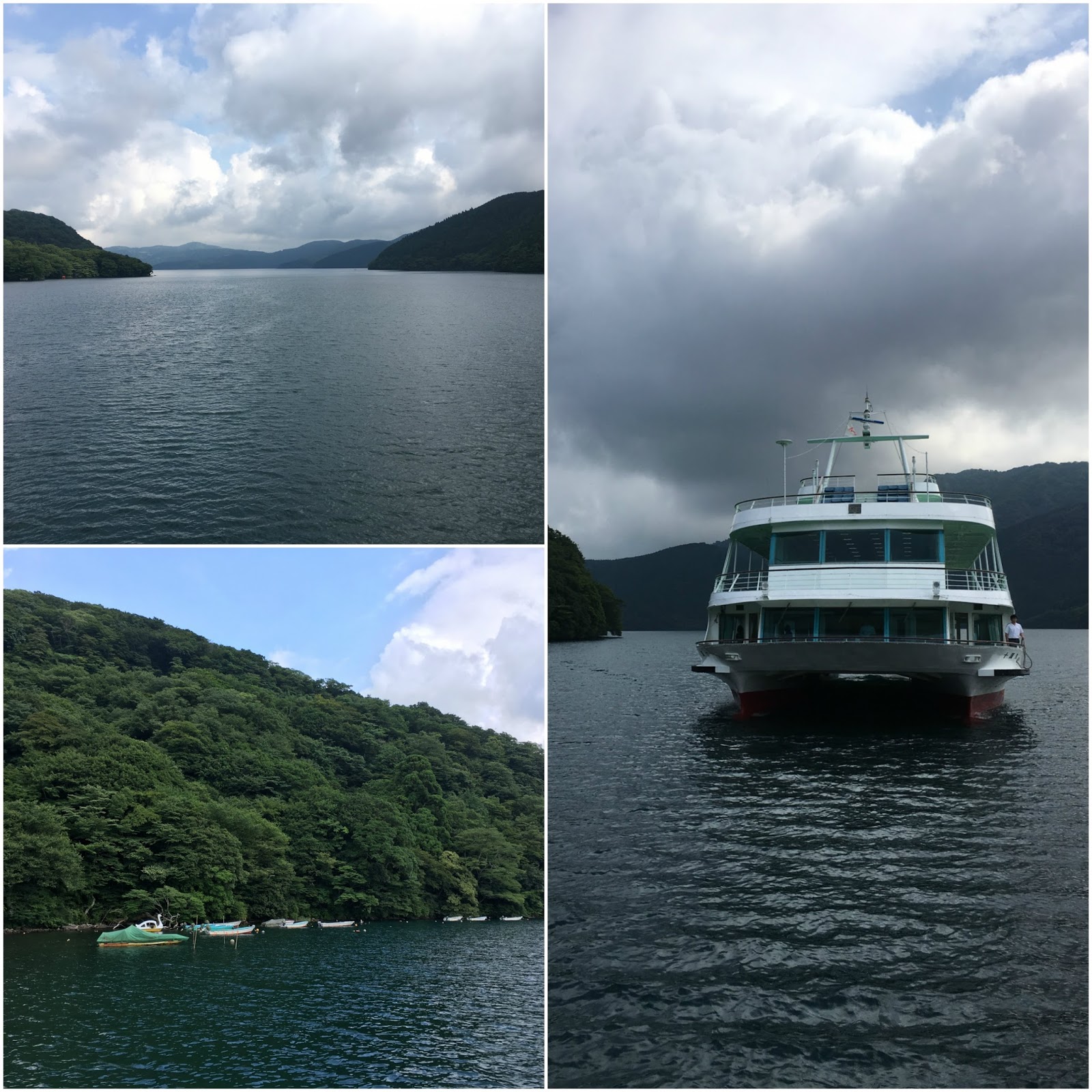
During our stay in Tokyo, we went on a day trip to Mount Fuji and Hakone. Although it was very misty and we could barely see Mount Fuji, we had a really good time. We went up till the 5th station from where we bought interesting souvenirs and ate the most amazing boiled corn on the cob I have ever had in my life. Why on Earth does silly corn-on-the-cob also taste nicer in a developed country! July is a good time for hiking to the top of Mount Fuji. So we saw a lot of enthusiastic hikers around. Since the trolley ride in Hakone was out of order on that particular day, we were taken on a picturesque ferry ride instead.
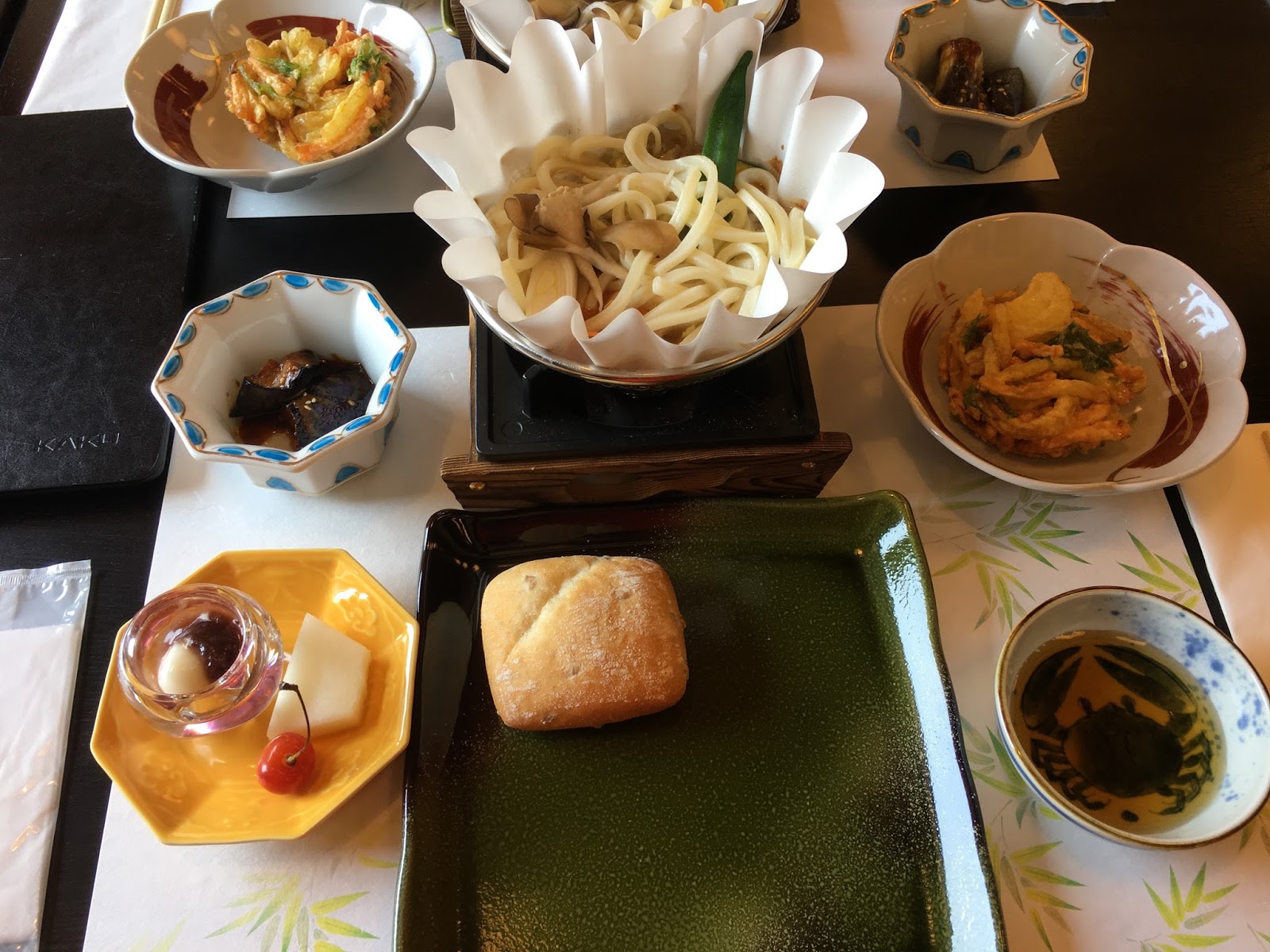
As part of this conducted tour, we were taken to an amazing Ninja-themed restaurant for lunch. When we booked this day trip online, we had opted for veg food. So as vegetarians, we were given a special table-for-four, and the food was mind-blowing! The lunch included a wholesome Japanese veg meal plus some options at the buffet counter. We ate until our tummies were happy full and got out of the restaurant with grinning faces. Since everything was already set on the table and the tour guide only said “vegetarian for you”, we had absolutely no idea about what we ate. There were some unusual yet yum preparations using vegetables; we only recognized the ramen and the dessert properly.
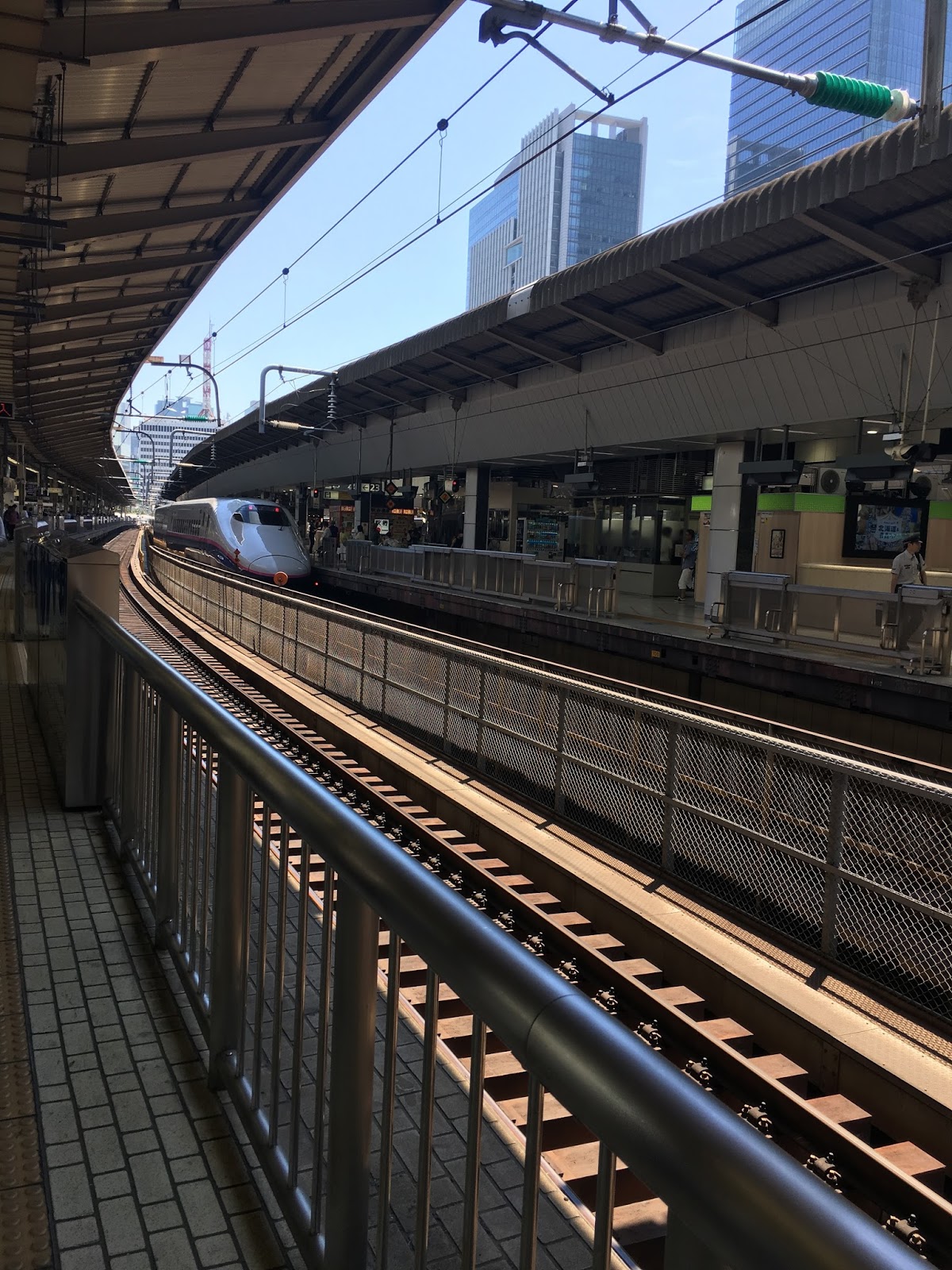
We took the uber-cool Shinkansen (bullet train) to Osaka. We were very excited about travelling on the bullet train, but my sister and I felt a little stuffy and motion-sick during the journey. We bought fun Japanese potato snacks and juices on the train and had a good time otherwise.
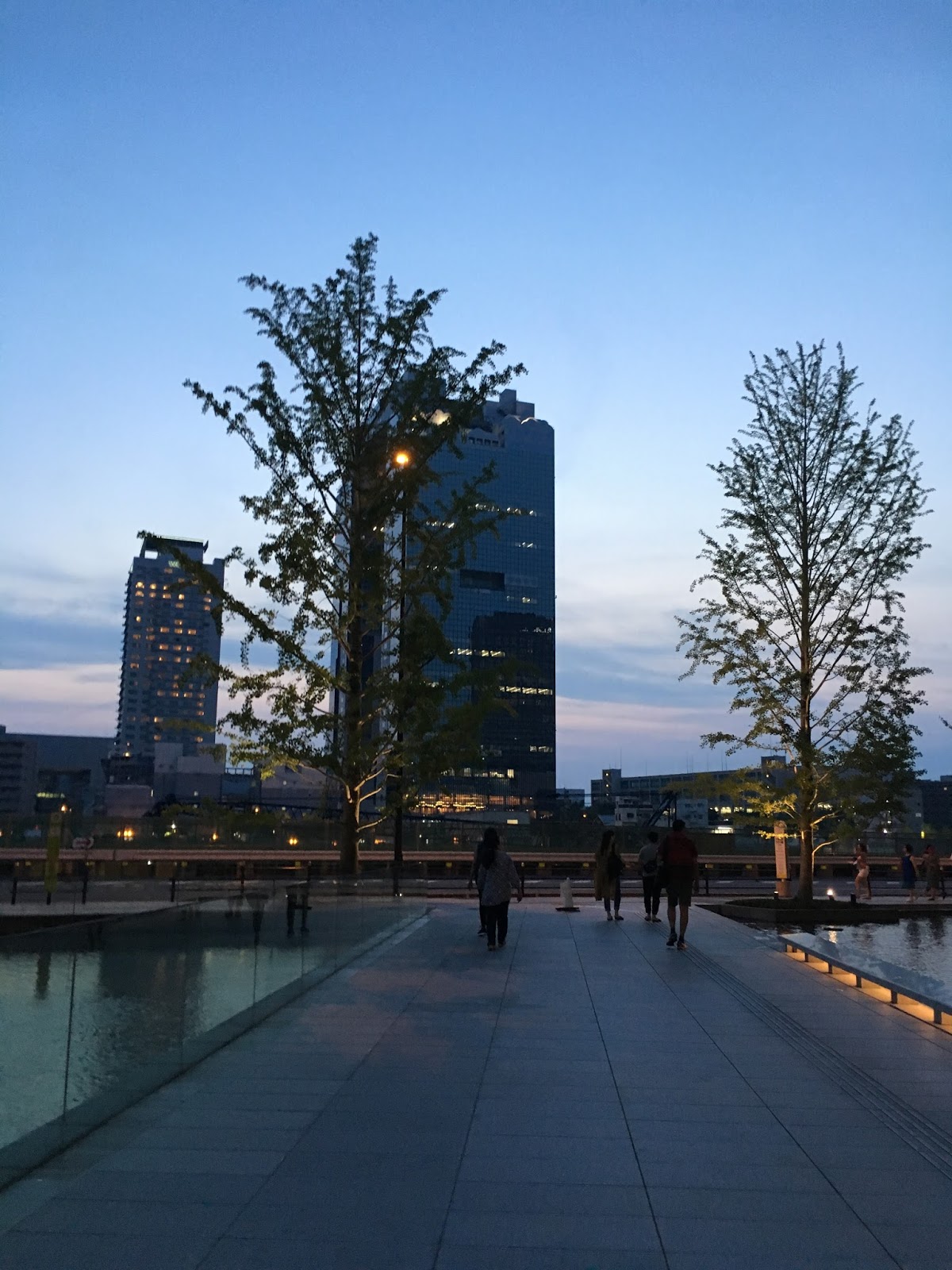
Osaka pretty much seemed like the Mumbai of Japan. It’s the second largest city and it has a younger crowd than Tokyo. With its extremely developed food culture, Osaka is known (among the Japanese) as the “Kitchen of the Nation”.
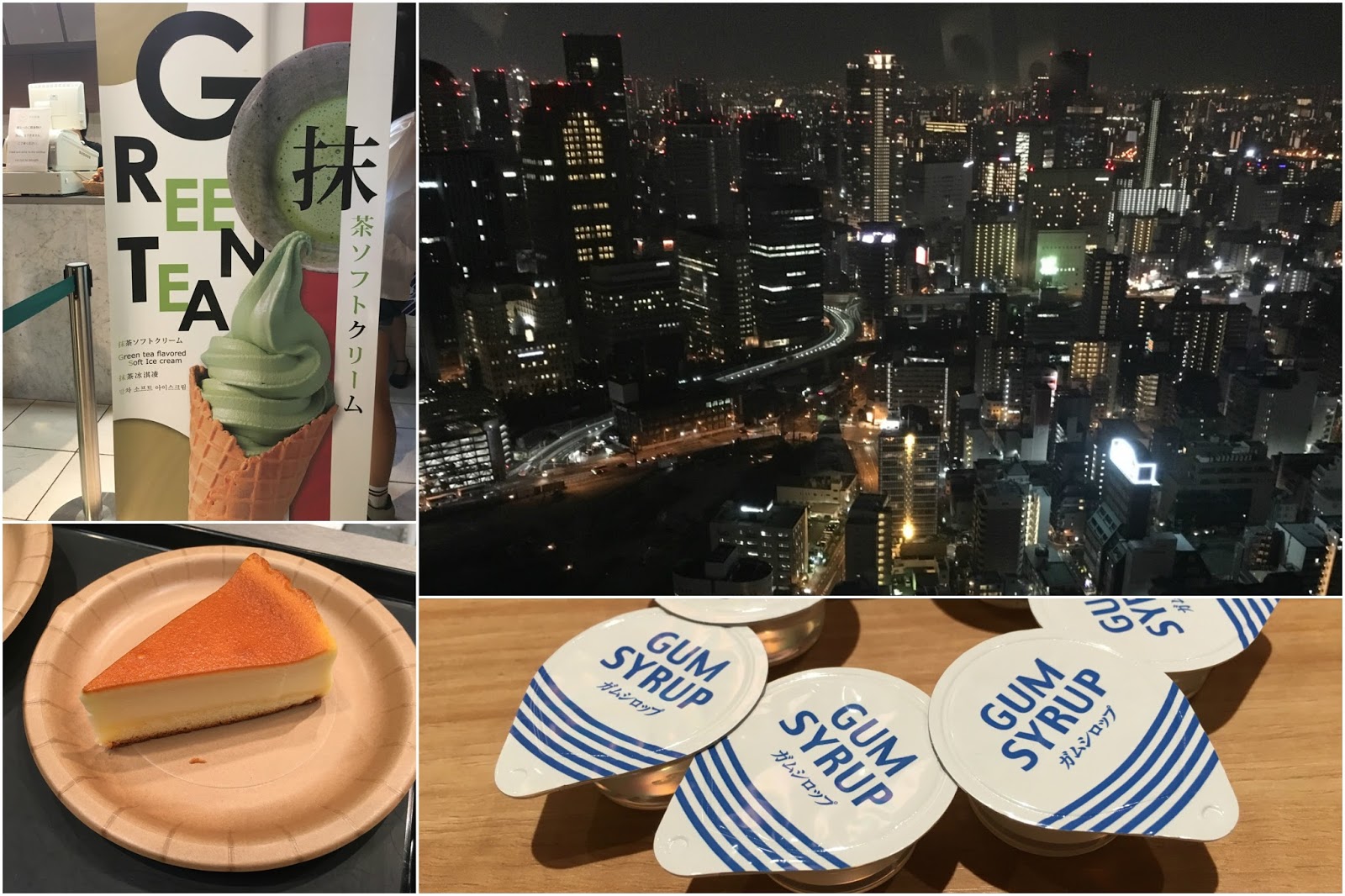
Umeda Sky Building, a captivating skyscraper with an observation deck, was a pleasant experience at sunset. During my online research on the city of Osaka, I had found this interesting video about a highway passing through a building called TKP Gate Tower in the middle of the city. Although vague and far away, we were thrilled to find that highway from the deck at Umeda Sky Building. We dined at the Sky Lounge and chilled out until late in the night. By then, we had got used to our lifesaver substitute for sugar, the “gum syrup”. We used it for hot and cold coffee and tea, and other cold drinks. We started buying them in dozens, every time we went grocery shopping. My love for matcha-flavoured ice-cream started in Osaka.
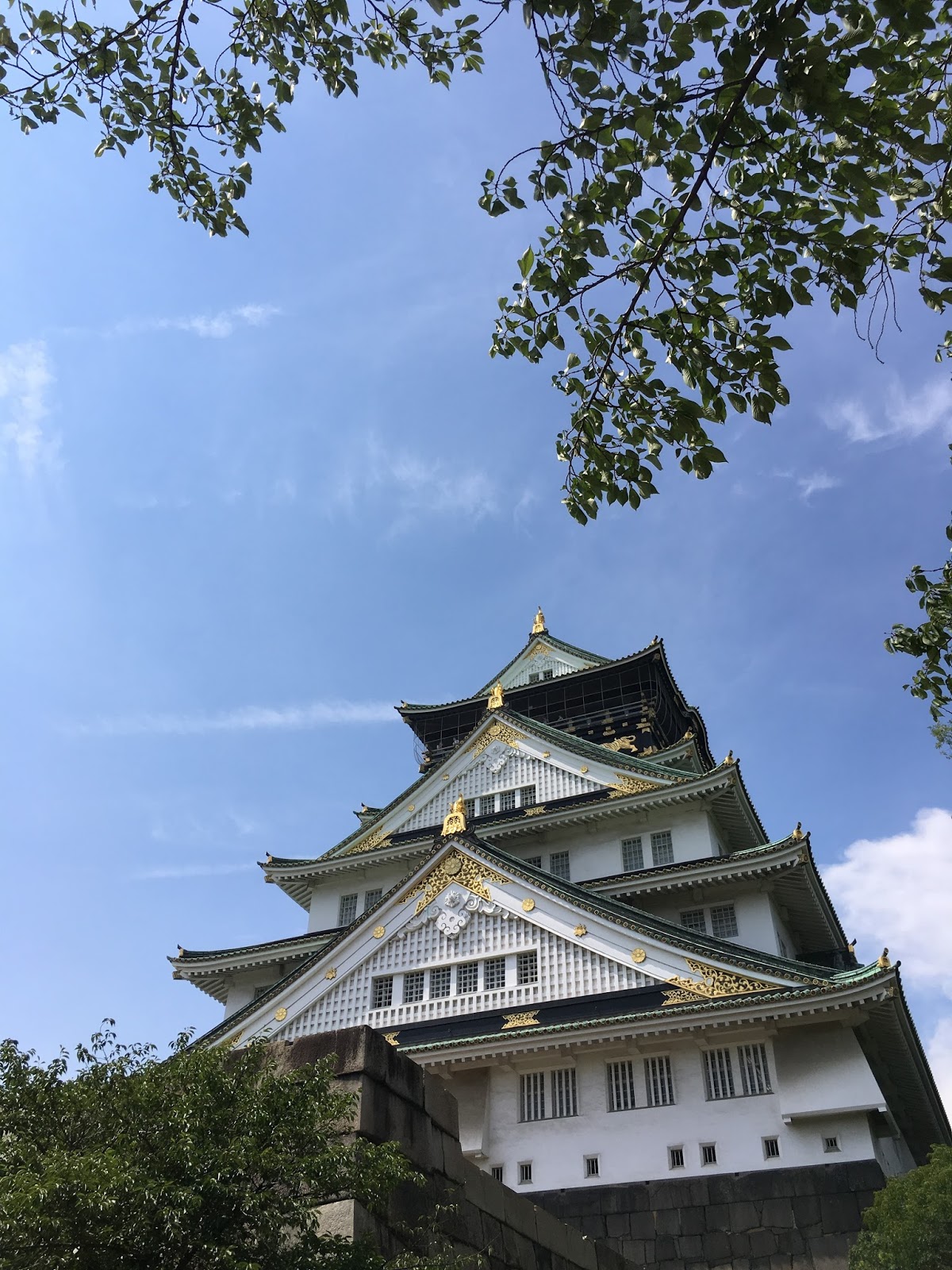
We visited the marvellous Osaka Castle in the morning. The moat was beautiful and the castle looked stunning from the outside. This structure is a modern, ferro-concrete reconstruction of the original castle that was burnt down in the year 1665. So inside the beautifully built structure is just an air-conditioned museum. We climbed our way up till the top floor and got a good view of the moat and parts of Osaka city.
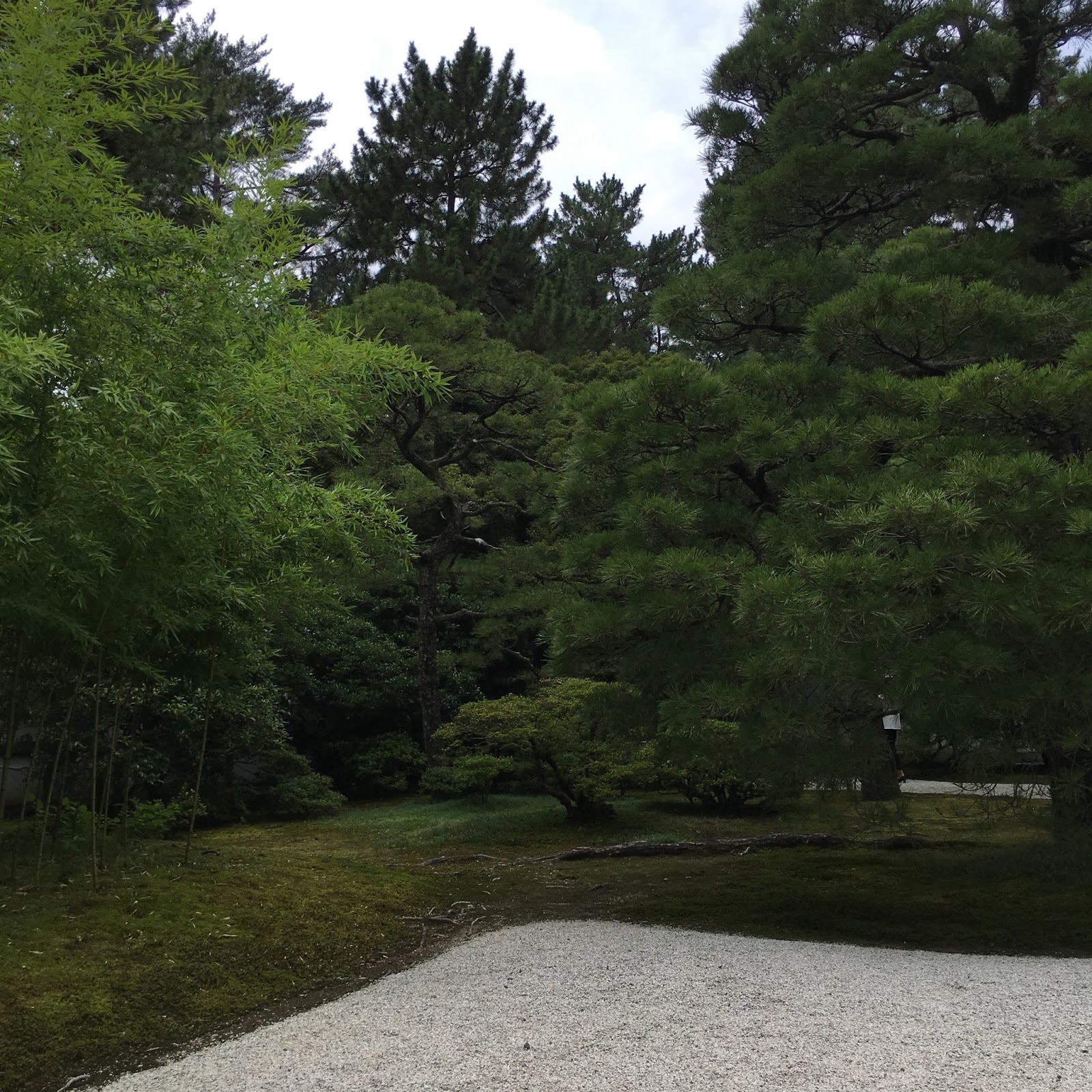
Kyoto, the erstwhile capital of Japan, was beautiful and green in July. We stayed in an Airbnb apartment a little far from the city centre. So we were completely dependent on taxis. We were so amused with the automatic closure of the back doors of all the taxis. Taxis in Japan, notably in Kyoto, were mostly driven by old gentlemen. They would operate the opening and closing of the back doors from the driver’s seat. Despite the language barrier, these drivers were extremely polite, patient, and helpful.
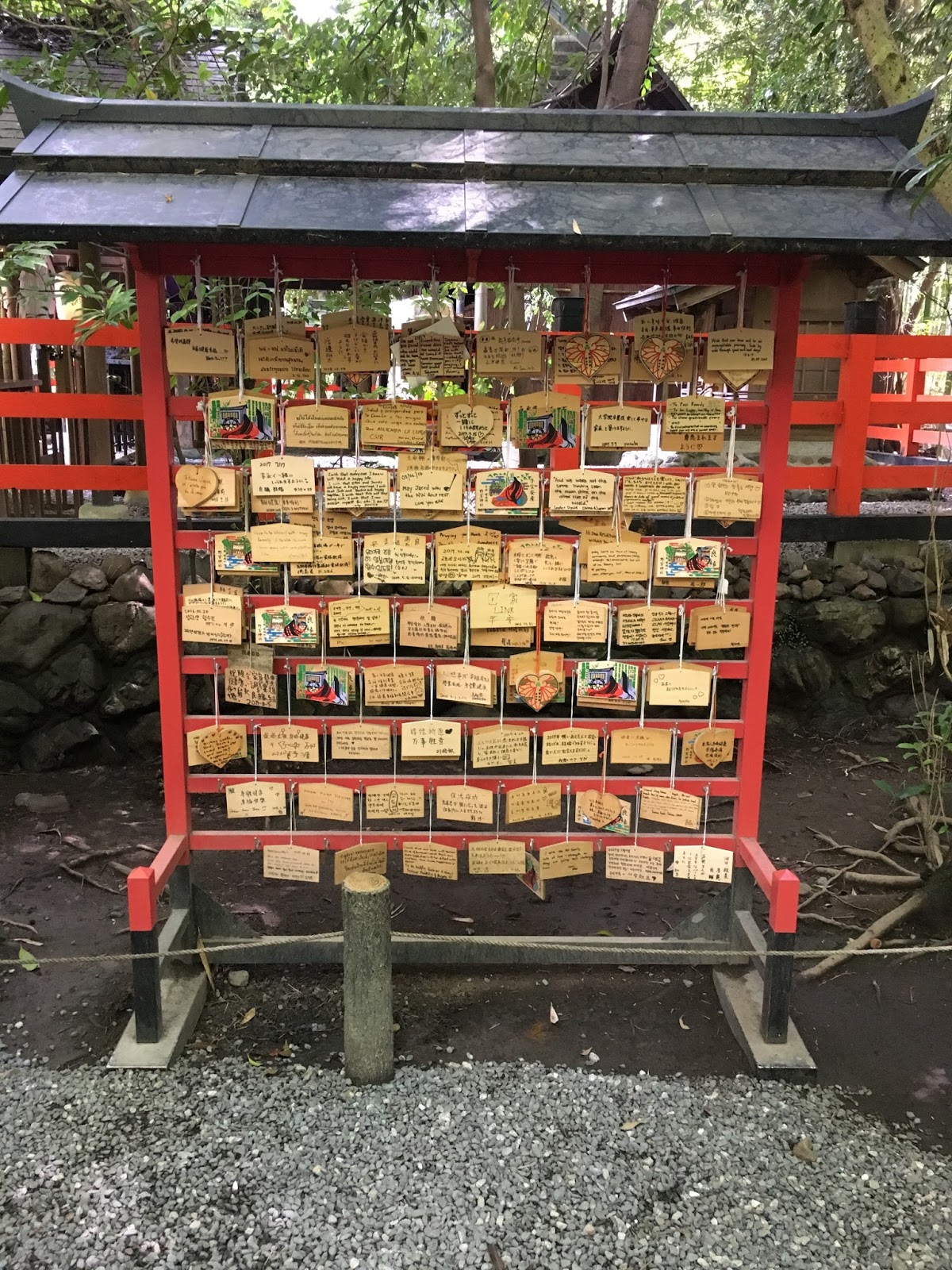
Bamboo forest was a very interesting walking trail. My Mum mastered the Japanese way of praying (clapping, bowing, etc.) and ringing the bells at shrines/temples.
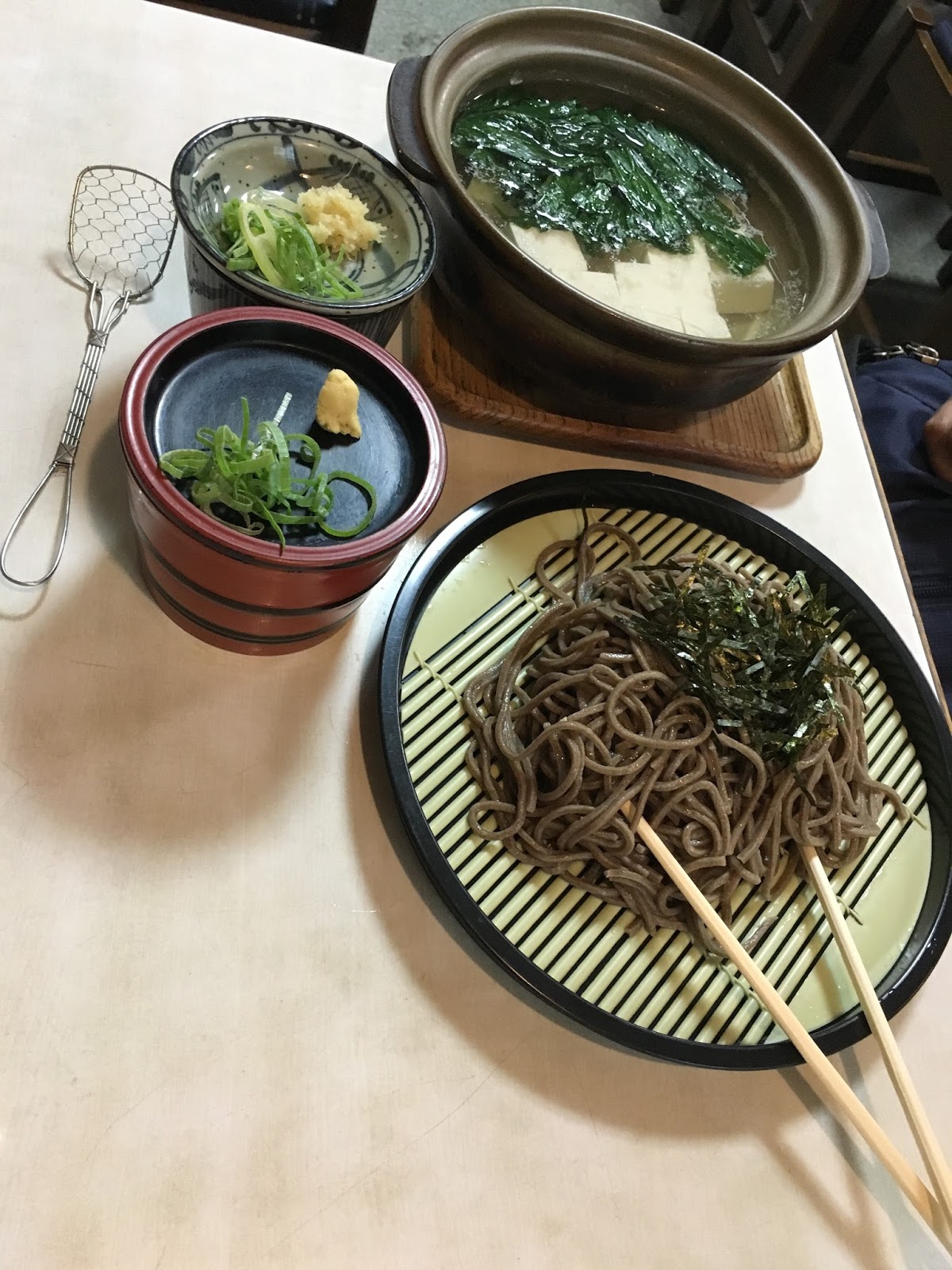
After getting out of the bamboo forest, we walked around in the streets of Kyoto, looking for some interesting eatery that served veg food. We dined at an authentic Japanese restaurant. We messed up our order a little and ended up having cold noodles and tofu soup, which were not the most exciting of Japanese dishes.
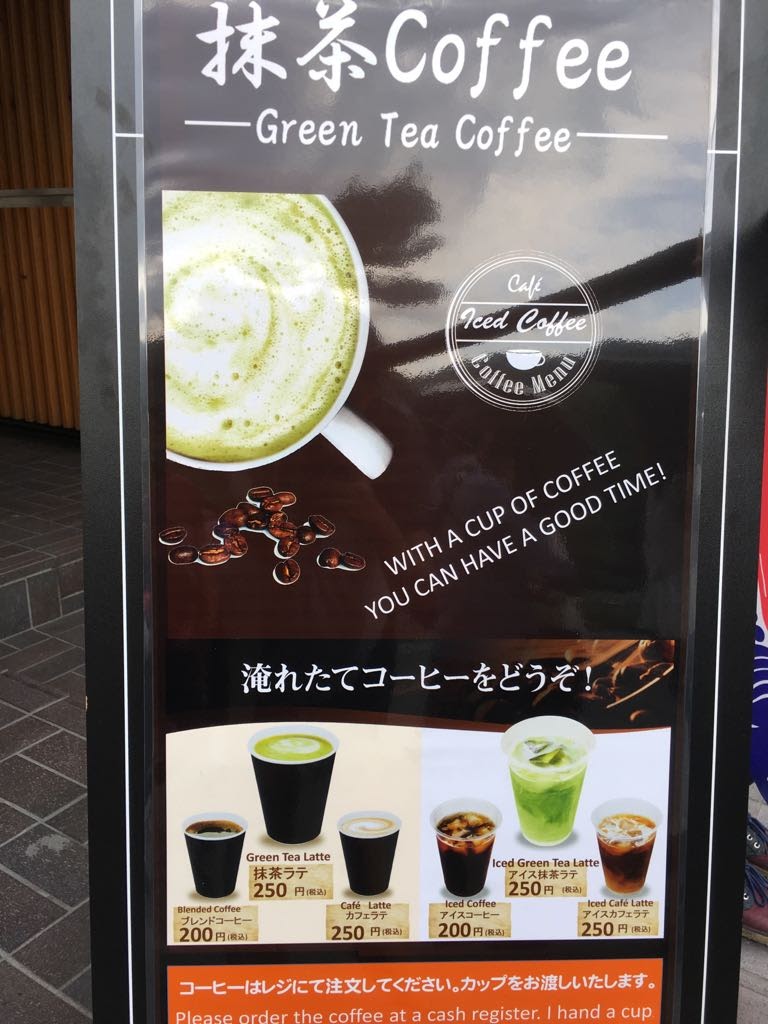
I was so fascinated reading this menu of a small café in Kyoto. This board, I felt, was a shout out to all the green tea lovers who can’t skip their morning coffee. I have been addicted to green tea for a couple of years now. I was thrilled about tasting lots of matcha-flavoured stuff in Japan. I was the only one, amongst the four of us, who intensely loved matcha ice-cream; it was mildly sweet and it gave me the green tea kick that I love. We also bought green tea Kit-Kat for our family back home. I read online that the green tea Kit-Kat that you get in the Japanese international airports are sweeter and less bitter (and therefore not truly authentic, I suppose) than the ones you get to buy in random shops in Japan. Hence, we bought green tea and strawberry flavoured Kit-Kat from a small shop in Tokyo. I bought matcha in its original form for my green tea craving back home. All the matcha-flavoured foods, I felt, were made a little touristy in Japan. Therefore, green tea (although abundantly available) was not cheaply sold in the country. Unfortunately, we missed the opportunity to attend a tea ceremony while in Japan.
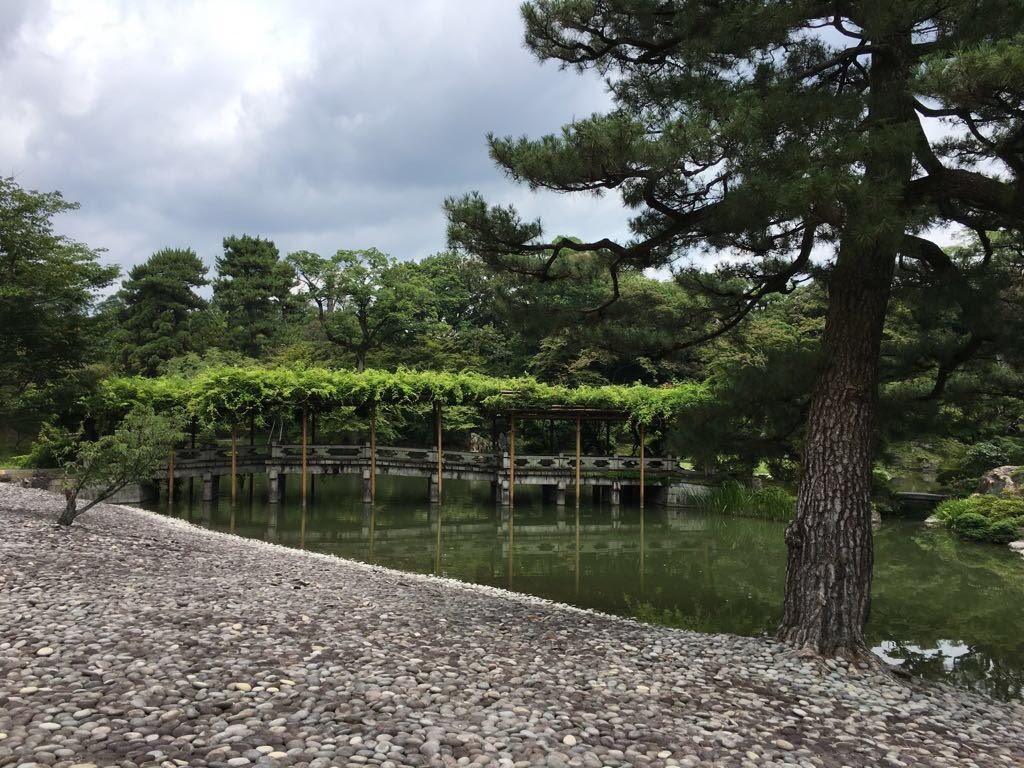
We visited Sento Imperial Palace, where we had made online reservations for the tour. The original palace buildings were burned down in the year 1854 and were never rebuilt. Therefore, the tour was all about the palace gardens, which was undoubtedly very beautiful and well-maintained.
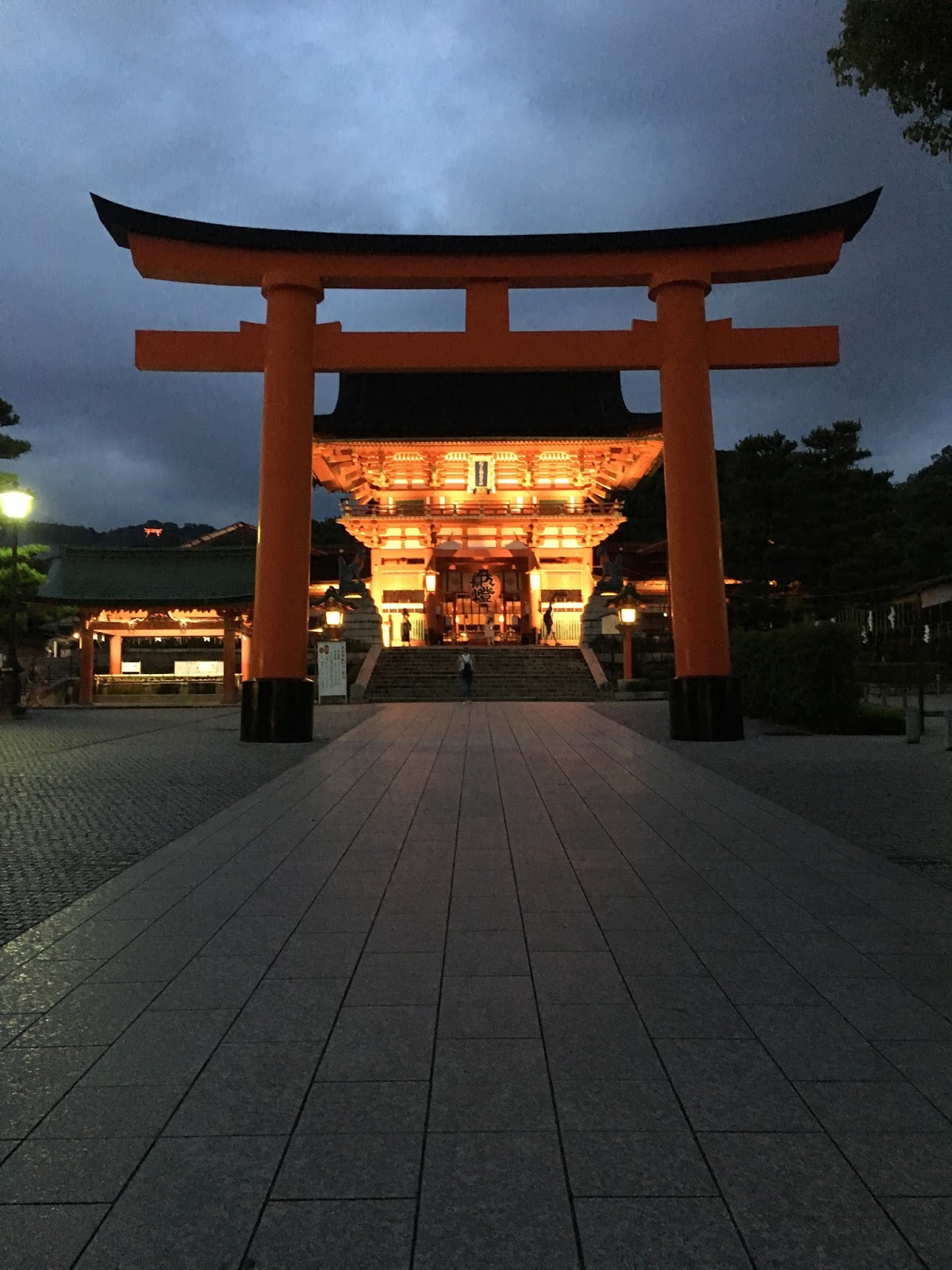
The highlight of our day out in Kyoto was the Kyoto trail in Fushimi Inari Taisha. This was a magnificent shrine with lots of smaller shrines at different levels of the walking trail. We climbed several hundred steps to get to the top. The view from top was amazing. The most fascinating part about this shrine was the thousands of orange-coloured vermilion torii gates, made of wood, all the way uphill.
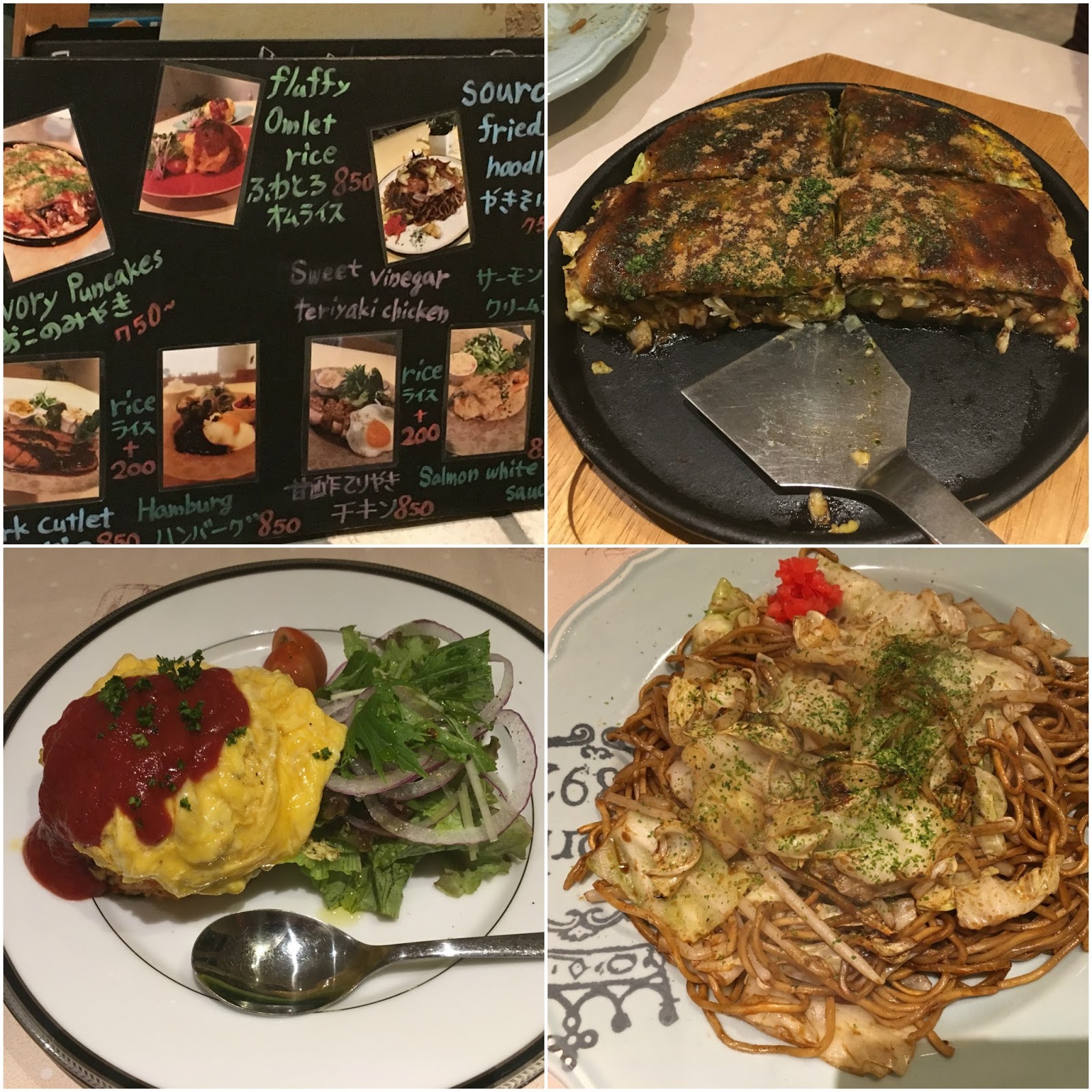
We were starving by the time we got done with the walking trail, which took us about 2 hours or more. We headed back to our Airbnb apartment and went to a cute little restaurant nearby. We happily got our orders customized, using sign language and, of course, “niku nashi, sakana nashi”. I thoroughly enjoyed the Japanese rice dish topped with mashed egg, the noodles, and the savoury pancake that we ordered. The gluttony taught me how to eat rice really fast using chopsticks. I also became a big fan of the Japanese mashed egg concept. I absolutely loved their egg salad sandwiches that we kept buying from supermarkets whenever we felt hungry between meals.
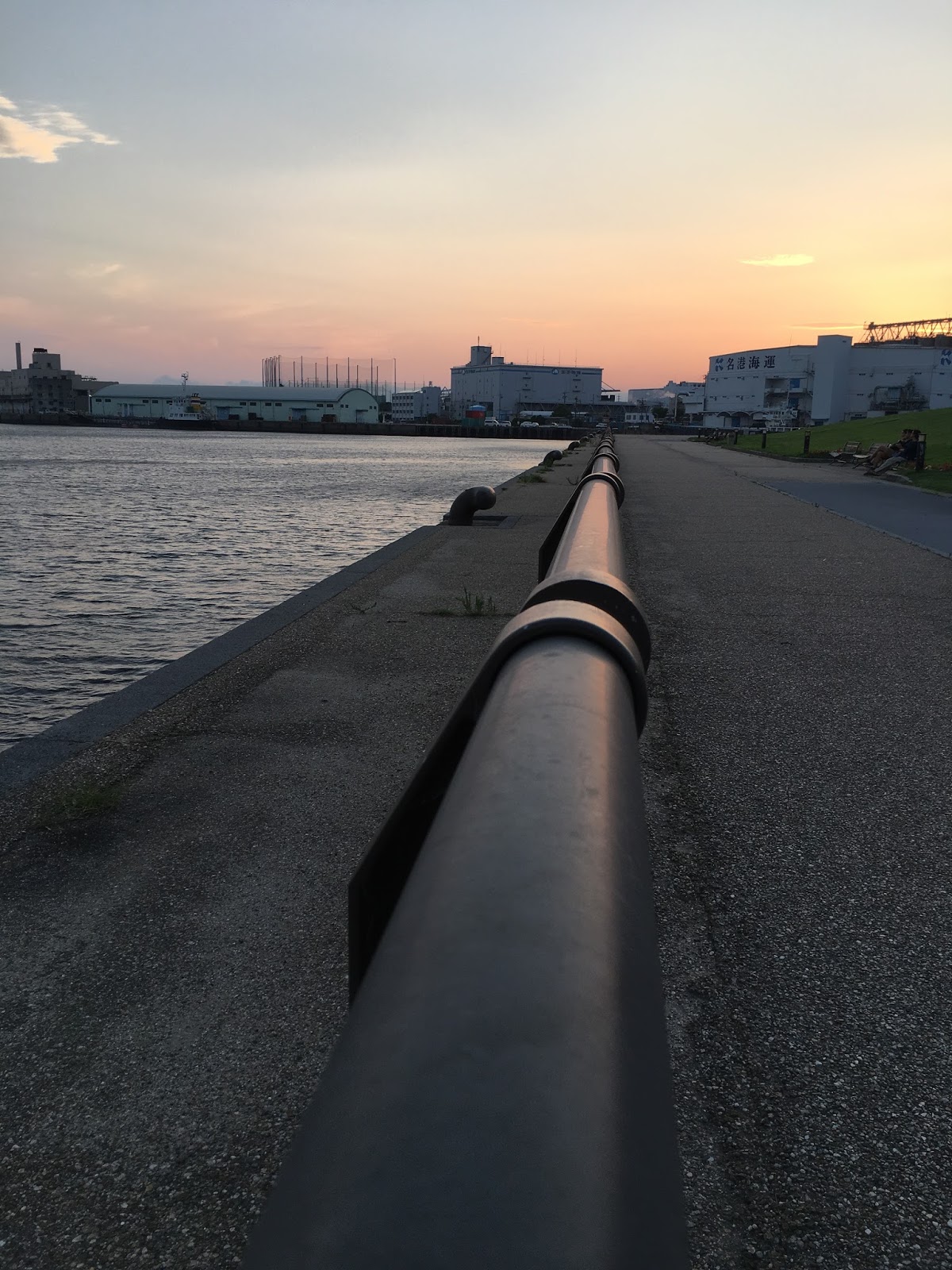
Nagoya was, in fact, an unnecessary detour after we cancelled the plan to go to Kiso Valley. But we decided to go ahead with the Airbnb bookings and so went around in the city for a day. We spent our evening at the beautiful harbour and a park adjacent to it.
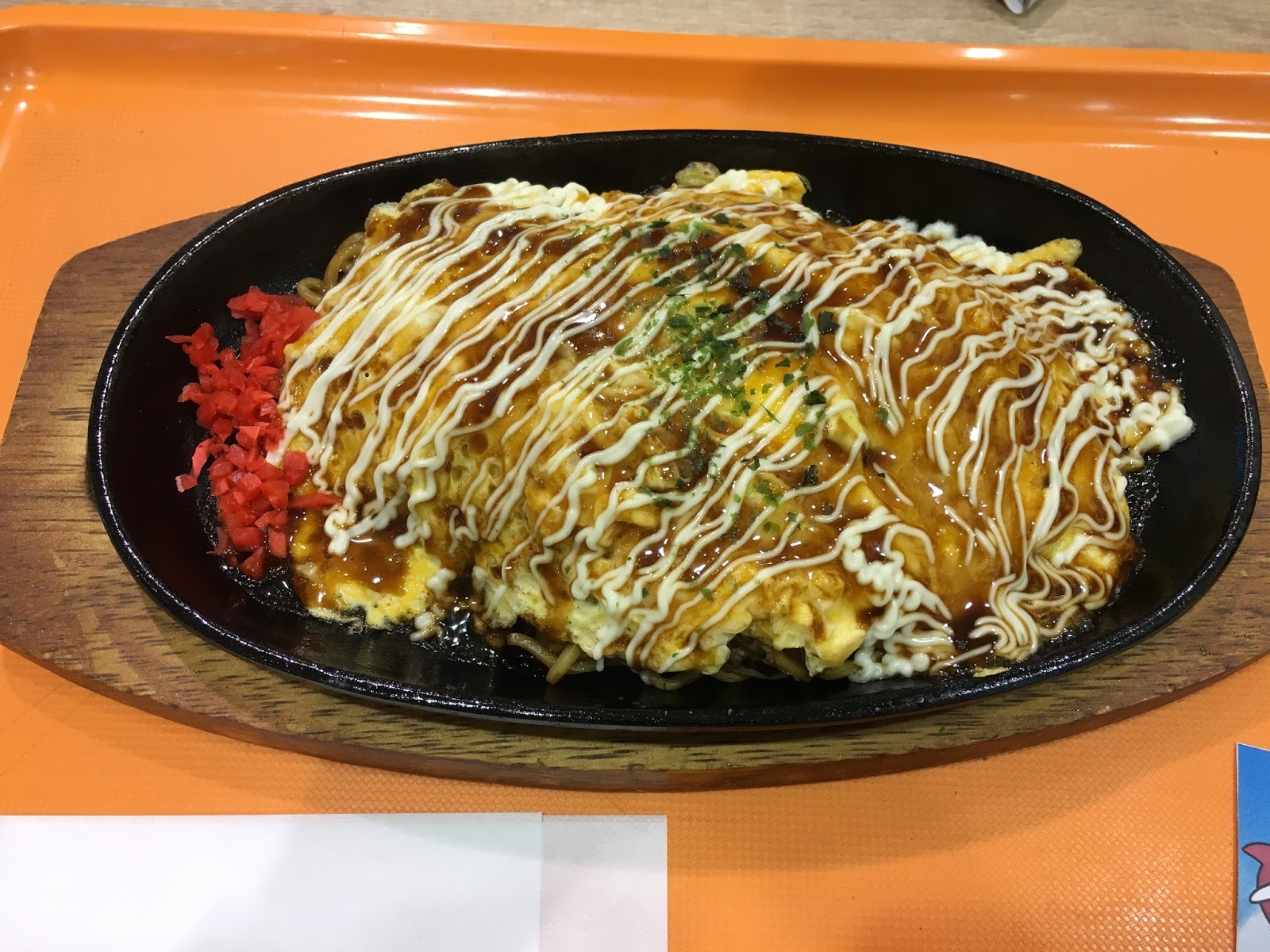
Not too far from the harbour, there was a food court with a handful of restaurant counters. Since I was always hungrier than my pack, I ordered a Japanese rice sizzler for myself. I had an interesting conversation with the restaurant guy while placing this order. When I told him “niku nashi, sakana nashi, egg okay, cheese okay”, he (genuinely) responded, “so Octopus must be okay as well”. *Face palm* I was laughing on the inside. Anyway, since he knew a little bit of English, I could make him understand and I got my kind of “veg” sizzler. It came topped with a yum omelette and lots of mayo. I absolutely relished the sizzler. It was finger-licking good (happily licked the chopsticks instead).
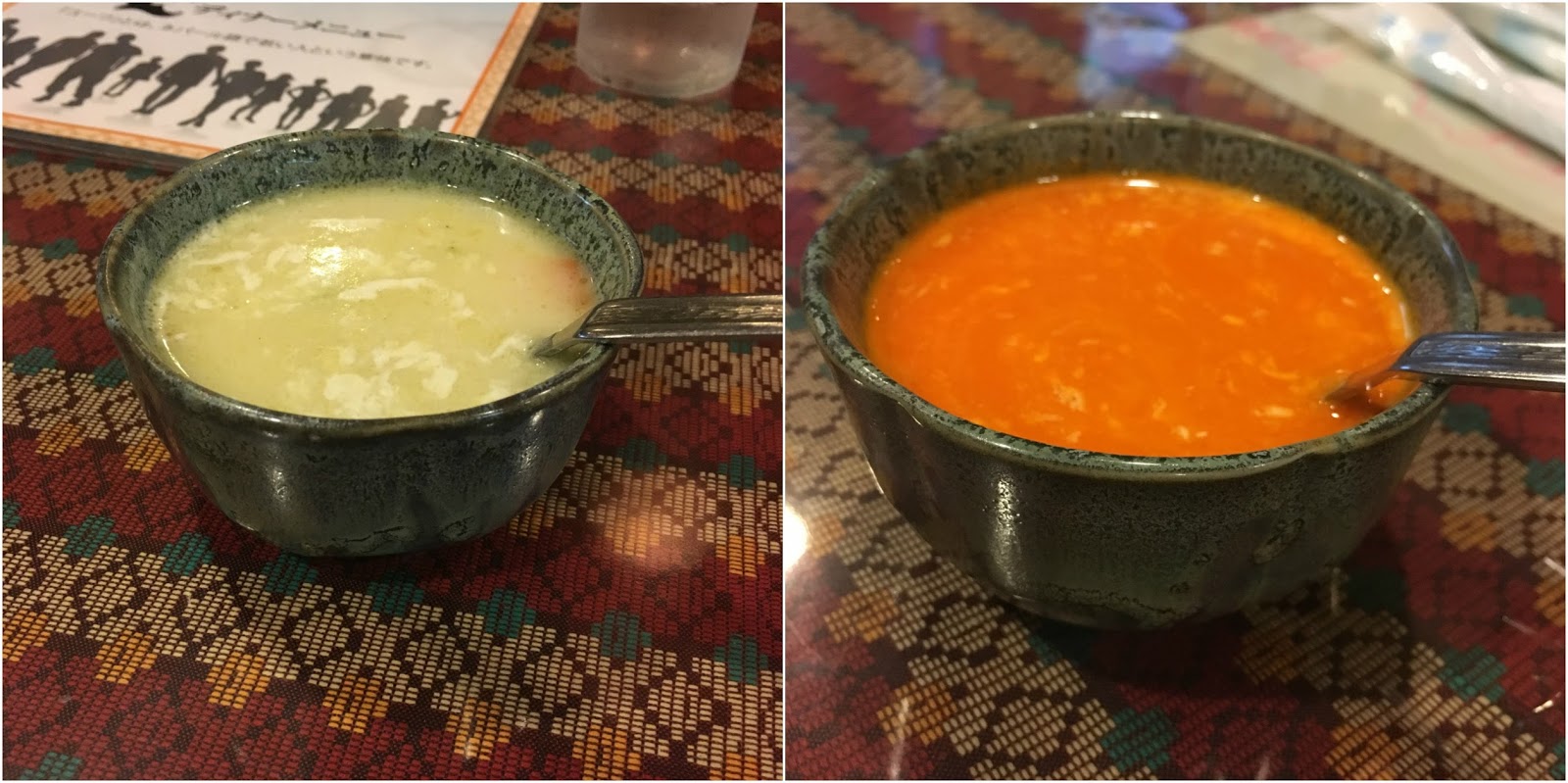
We had our dinner at a small, Nepali-run Indian restaurant called Yuwa. We were so damn hungry and ecstatic about Indian food. That’s why I had the patience to click pictures of only the soups. We ordered rice, naans, and veg curries. The Nepali waiters just couldn’t believe that we were tourists from India, visiting Nagoya. We explained to them an outline of our itinerary. They spoke to us about how they got there, their families, and Nepal. It felt good to speak in Hindi, without any sign language. They gave us complimentary glasses of lassi. We were overjoyed!
Before leaving for Japan, we had bought Japan Rail Passes, which saved us a lot of money on long-distance rail travel in the country. The Shinkansen tickets, especially, would have burnt a hole in my Dad’s pocket sans the JR passes. We also rented out a pocket Wi-Fi to stay connected while on the move. With the Google Translate app‘s camera feature, we could read the ingredients on food packets, menu cards at restaurants, and the things written/printed in Japanese in supermarkets and medical stores. The most common grocery stores we came across in Tokyo, where we stayed for the longest duration, were 7-Eleven and Lawson.
I have come across a series of spam WhatsApp messages that said that the Japanese are self-sufficient and do not import or use foreign products. That’s so not true. iPhone was the most common handset that we saw people using. We were told that the Japanese youth is addicted to Instagram. There were plenty of American and European retail chain stores in all the big Japanese towns. We could always count on 7-Eleven stores for ready-made Starbucks cold coffees and ginger ale, which we enjoyed with one or two packets of gum syrup each. And Coca-Cola, more than Pepsi, was available almost everywhere we went.
Placing the order for our customized burgers at McDonald’s outlets was an art that my sister and I gradually mastered during our stay in Japan. We explained, in sign language and with the help of Google Translate, that we wanted the beef patties replaced with egg. At the end of it, the burgers were yum and totally worth the trouble!
By the end of the trip, we found so much joy in eating with chopsticks that my husband and I ate pulao, lemon rice, idiyappam, and Top Ramen curry noodles using chopsticks, for a couple of weeks after I got back home.
Japan in July was sultry. The Sakura season (the bloom of cherry blossoms) would have been the ideal time to visit the country. Nonetheless, we dealt with the hot and humid weather by enjoying the freedom to wear fun summer clothes throughout the trip.
 Walk and Cheese
Excellent work Parvathy!!! Really Really Liked the way you wrote the whole travelogue….Good Luck!
LikeLike
This article is wonderful. By the way, we would like to let you know about our company: Premium Travel Vietnam is a professional, leading tour operator based in Da Nang city – central Vietnam. Our office is at 21/18 Che Lan Vien, Ngu Hanh Son Dist, Da Nang city. We have been in the tourism industry for many years and with a comprehensive experience in this field, we are proud to be one of the best travel agents in Da Nang in particular and in Vietnam in general. Everyday,we provide tourists with local tours to all tourist sightseeings in central Vietnam such as many historical sites of My Son Holyland, Hoi An ancient town, Hue ancient capital, Demilitarized Zone, Phong Nha National Park. As you know, Da Nang is a beautiful city and it is known as the best and the most liveable city in Vietnam. Last year in June, The Sun Group built Golden Bridge on the summit of Ba Na Hills. Since then, this spot has been attracting thousands of tourists all over the place to come to admire it. Thus, Ba Na Hills becomes a place you must visit when you come to Da Nang. For this reason, we organise Golden Bridge Ba Na Hills Tour . If you want to know more about this tour, kindly contact us at premiumvietnamtravel@gmail.com or whatsapp us at 0084979613777. We are very pleased to serve you and be a reliable partner to you. Besides, central Vietnam is also well known for its long lasting culture, diversified cuisine, friendly people, amazing landscapes and national parks. Of which is Phong Nha National Park. Everyday, Phong Nha Pioneer Travel organizes tour to Phong Nha cave and Paradise cave Phong Nha and Paradise Cave Tour .This tour is specifically designed for those to want to adventure the spectacular sceneries of beautiful mountain and amazing landscape of Phong Nha National Park. Let’s uncover the hidden charm of Phong Nha Park with Phong Nha Pioneer Travel. For more details, please contact us at phongnhapioneer@gmail.com or whatsapp at 0084979613777. We are honor to serve you.
LikeLike